

What is the working principle of a stainless steel threaded ball valve?
Dec 11, 2025
As a seasoned supplier of Stainless Steel Threaded Ball Valves, I've witnessed firsthand the widespread use and importance of these valves across various industries. In this blog, I'll delve into the working principle of a stainless steel threaded ball valve, exploring its components, operation, and the advantages it offers.

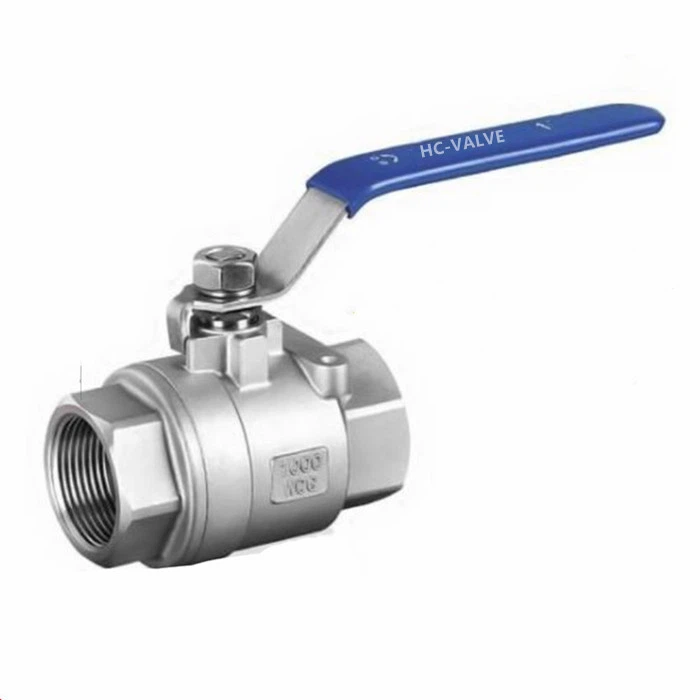
Components of a Stainless Steel Threaded Ball Valve
Before we dive into the working principle, let's first understand the key components of a stainless steel threaded ball valve. These valves typically consist of the following parts:
- Body: The body is the main housing of the valve, which is usually made of stainless steel. It provides the structural support and contains the other components of the valve.
- Ball: The ball is a spherical disc with a hole in the center. It is the main control element of the valve and is responsible for regulating the flow of fluid through the valve.
- Stem: The stem is a rod that connects the ball to the actuator. It transfers the rotational motion from the actuator to the ball, allowing the ball to rotate and control the flow of fluid.
- Seats: The seats are located on either side of the ball and provide a seal between the ball and the body of the valve. They are typically made of a soft material, such as PTFE or NBR, to ensure a tight seal and prevent leakage.
- Actuator: The actuator is the device that provides the force to rotate the ball. It can be a manual handle, an electric motor, a pneumatic cylinder, or a hydraulic cylinder, depending on the application requirements.
Working Principle of a Stainless Steel Threaded Ball Valve
The working principle of a stainless steel threaded ball valve is relatively simple. When the valve is in the open position, the hole in the ball is aligned with the flow path of the fluid, allowing the fluid to pass through the valve freely. When the valve is in the closed position, the ball is rotated 90 degrees, so that the hole in the ball is perpendicular to the flow path of the fluid, blocking the flow of fluid through the valve.
The rotation of the ball is controlled by the actuator. When the actuator is activated, it applies a rotational force to the stem, which in turn rotates the ball. The amount of rotation of the ball determines the degree of opening or closing of the valve, allowing for precise control of the flow of fluid.
Types of Stainless Steel Threaded Ball Valves
There are several types of stainless steel threaded ball valves available, each with its own unique features and applications. Some of the most common types include:
- Sanitary Tri Clamp 3 Piece Ball Valve: This type of valve is designed for use in sanitary applications, such as food and beverage processing, pharmaceutical manufacturing, and biotechnology. It features a three-piece design, which allows for easy disassembly and cleaning, and a sanitary tri-clamp connection, which provides a secure and leak-free seal.
- Two Piece Ball Valve: This type of valve is a popular choice for general industrial applications. It features a two-piece design, which is more compact and less expensive than a three-piece design, and a threaded connection, which provides a secure and easy-to-install connection.
- Three Pieces Ball Valve with Butt Welded: This type of valve is designed for use in high-pressure and high-temperature applications. It features a three-piece design, which provides additional strength and durability, and a butt-welded connection, which provides a leak-free seal and is suitable for use in pipelines.
Advantages of Stainless Steel Threaded Ball Valves
Stainless steel threaded ball valves offer several advantages over other types of valves, including:
- Durability: Stainless steel is a highly durable material that is resistant to corrosion, erosion, and wear. This makes stainless steel threaded ball valves suitable for use in harsh environments and applications where reliability is critical.
- Versatility: Stainless steel threaded ball valves can be used in a wide range of applications, including water treatment, chemical processing, oil and gas production, and HVAC systems. They are available in a variety of sizes, pressure ratings, and end connections, making them suitable for use in different types of pipelines and systems.
- Easy to Install and Maintain: Stainless steel threaded ball valves are relatively easy to install and maintain. They can be installed using standard tools and techniques, and their simple design makes them easy to disassemble and clean.
- Precise Control: Stainless steel threaded ball valves provide precise control of the flow of fluid. They can be opened and closed quickly and easily, allowing for precise regulation of the flow rate and pressure of the fluid.
Applications of Stainless Steel Threaded Ball Valves
Stainless steel threaded ball valves are used in a wide range of applications across various industries, including:
- Water Treatment: Stainless steel threaded ball valves are used in water treatment plants to control the flow of water and chemicals. They are used in applications such as filtration, disinfection, and pH adjustment.
- Chemical Processing: Stainless steel threaded ball valves are used in chemical processing plants to control the flow of chemicals and other fluids. They are used in applications such as mixing, blending, and transfer of chemicals.
- Oil and Gas Production: Stainless steel threaded ball valves are used in oil and gas production facilities to control the flow of oil, gas, and other fluids. They are used in applications such as wellhead control, pipeline control, and storage tank control.
- HVAC Systems: Stainless steel threaded ball valves are used in HVAC systems to control the flow of air, water, and refrigerant. They are used in applications such as heating, cooling, and ventilation.
Conclusion
In conclusion, stainless steel threaded ball valves are a reliable and versatile type of valve that is widely used in various industries. Their simple design, precise control, and durability make them a popular choice for applications where reliability and performance are critical. As a supplier of stainless steel threaded ball valves, I'm committed to providing high-quality products and excellent customer service. If you're interested in learning more about our products or have any questions, please don't hesitate to contact us. We look forward to working with you to meet your valve needs.
References
- Valve Handbook, 4th Edition, by J. Paul Tullis
- Fluid Mechanics and Hydraulics, 5th Edition, by Frank M. White
- Industrial Valves: A Guide to Selection, Sizing, and Installation, by James R. Wright