Call Us: +86-577-66990028Email: sales@huancheng-valve.com
enLanguage

Valve Manifolds

Company Profile


We are a leading and professional manufacturer for all kind of ball valves. Our main products include Sanitary Tri Clamp 3 Piece Ball Valve, brass mini ball valve, Brass Shut Off Ball Valve With Mini Check Valve, Lead Free Brass Shut Off Mini Ball Valve, brass angle tube ball valve, brass double ferrule ball vlave, SS panel mounted ball valve, instrument female angle ball valve, Instrument panel mounted ball valve, Three Piece Extension Tube Butt Welded Ball Valve, Three Piece Ball Valve, One Piece Ball Valve, etc.

Why Choose Us

Customization

Our company accept all kind of customized products that you just need to offer drawing or samples. if you don't have drawing, we can make it for you. And we can send you samples for check quality.

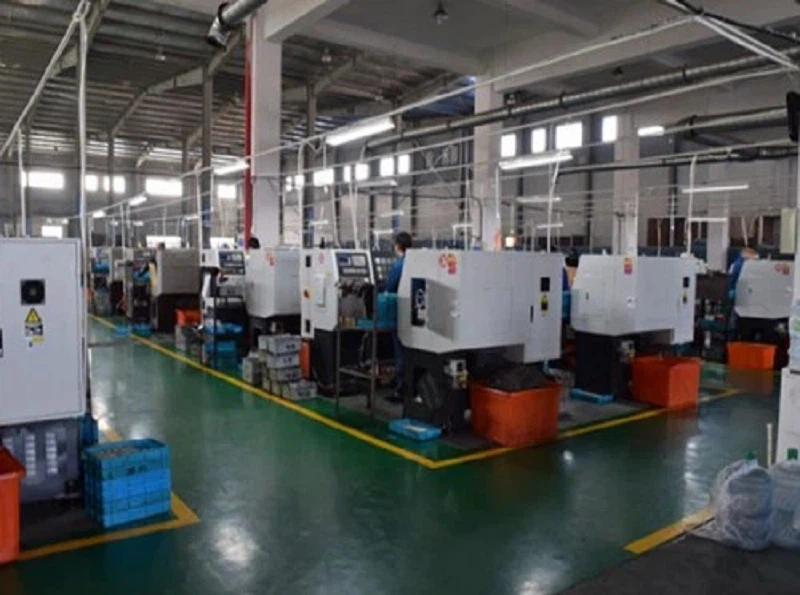
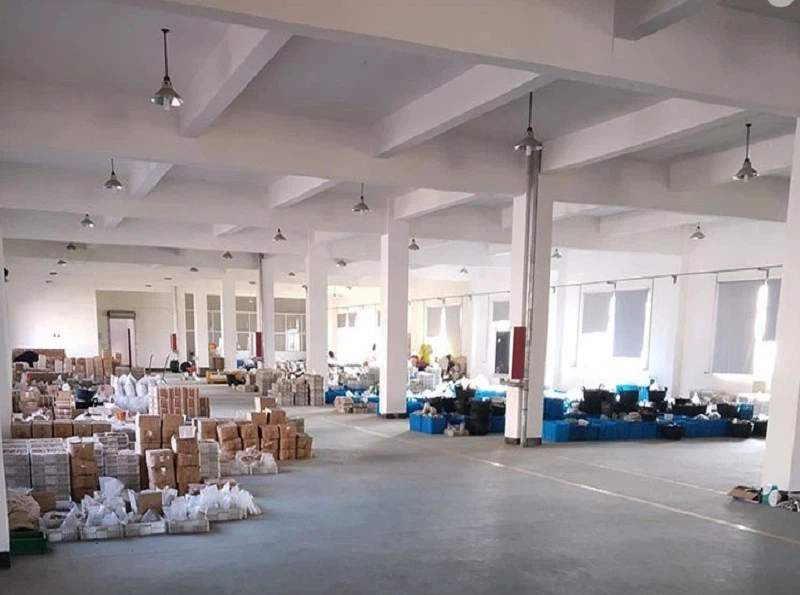
Factory

Wenzhou Huancheng Pipeline Valve Co., Ltd (Huancheng) founded in1996,China .We are a leading and professional manufacturer for all kind of ball valves.


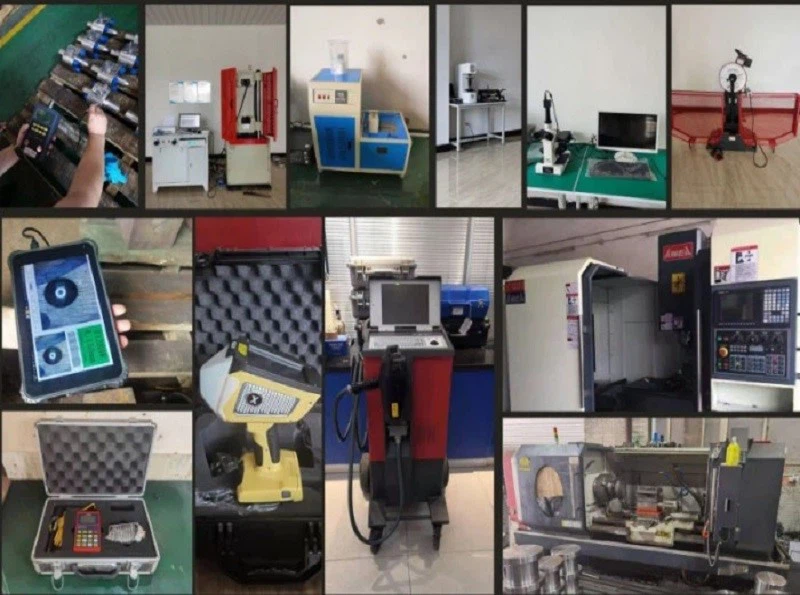
Quality Control

Huancheng is devoted to being a world-class supplier for submit to international markets all types of valves in an extensive wide range of material, sizes and pressure classes for various industry sectors like Petrochemical, Oil and Gas, Petroleum refinery,Metallurgy, Energy, Water and Sewage lines, Food, Pharmacy, electric appliance,car, Power station and Ship building

Professional Team

Our professional team collaborate and communicate effectively with one another, and are committed to delivering high-quality results. They are capable of handling complex challenges and projects that require their specialized expertise and experience.


What is Valve Manifolds?


Valve manifolds are flow management devices of ever-growing interest for operators, maintainers, and design teams worldwide. Even under today’s landscape of ongoing innovations, they continue to be a go-to technical solution for fluid control in systems. When two or more valves are involved, that is.


Since their deployment extends across diverse processes in several industries, it is only fitting to seize the opportunity to offer knowledge on them.


However, is a device that connects one or more blocks or isolates valves in any form of the system; this can include a ball or needle valve. From Isolating Instruments, controlling high-pressure fluid flow to regulating the pressure, manifold valves perform a variety of functions.

 
Benefits of Valve Manifolds
 
01/

Modularity
Manifold valves are modular in design, enabling easy customization and expansion according to specific application requirements. This modularity facilitates flexibility in system design and configuration.

02/

Compactness
By consolidating multiple valves into a single unit, valve manifolds offer significant space savings compared to traditional valve setups. This compactness is particularly advantageous in installations where space is limited or when aiming to reduce overall footprint.

03/

Versatility
Valve manifolds are versatile components that can accommodate various types of valves, including ball valves, needle valves, and solenoid valves, among others. This versatility allows for compatibility with different fluid types and operating conditions.

04/

Accessibility
The centralized design of valve manifolds enhances accessibility for maintenance and troubleshooting purposes. Operators can easily access and service individual valves without the need to disassemble the entire system, minimizing downtime and enhancing operational efficiency.

Type of Valve Manifolds


2 Valve Manifold

2 Valve Manifolds are designed for connecting systems and transmitters. These manifolds are made up of two valve configurations that make it simple to isolate, calibrate, block, and bleed gauges, pressure switches, and static pressure transmitting devices. The tough structure of these manifolds allows them to tolerate severe pressures and temperatures. With PTFE packing, the manifolds can withstand pressures of up to 6000 PSI at 200°F or 4000 PSI at 500°F.


3 Valve Manifold

3 valve manifolds pipe to pipe (R), pipe to flange (T) and flange to flange (H) designed for connecting system impulse lines & transmitters. On 54mm (2 1/8″) centres, these manifolds provide 1/2″ NPT(F) pipe to flange or flange to flange connections, as well as one equalisation valve, two block valves, and two 1/4″ NPT(F) purge (VENT) connections. The tough structure of these manifolds allows them to tolerate severe pressures and temperatures.


5 Valve Manifold

5 Valve Manifolds pipe to pipe (R), pipe to flange (T) and flange to flange (H) designed for connecting system impulse lines & transmitters. On 54mm (2 1/8″) centres, these manifolds provide 1/2″ NPT(F) pipe to flange or flange to flange connections, as well as one equaliser valve, two block valves, one Bleed Valve, and two 1/4″ NPT(F) purge (VENT) connections.

 
Specifications for Valve Manifolds
 

When selecting a valve manifold for pressure transmitters, consider the following specifications:


Material

Manifold valves are commonly made from stainless steel, carbon steel, or exotic alloys. The material must be compatible with the process fluid and environmental conditions.


Pressure Rating

Ensure the manifold can handle the maximum pressure of your system. Check the manufacturer’s specifications for accurate pressure ratings.


Temperature Range

Choose a manifold that operates effectively within the temperature range of your application.


Port Configuration

Select a manifold with the appropriate number of ports and valve configurations based on your system’s requirements.


Five Way Valve Manifolds
Valve Manifold Rating
 

VR10
VR10 has a ZnDC and ADC body, with aluminum spool and NBR seals offering robust yet lightweight construction. It achieves a high flow rate (5/3, 270 l/min; 2x3/2 and 5/2, 220 l/min) from a 10mm valve width. IP40 and IP65 units are available, and there is no restriction on installation orientation. 24V DC & 12V DC Multipole, EtherNet/IP, PROFINET, EtherCAT, CANopen and IO-Link variants are available.


VR15
VR15 has a ZnDC and ADC body, with aluminum spool and NBR seals offering robust yet lightweight construction. It achieves a high flow rate (5/3, 590 l/min; 2x3/2, 460 l/min and 5/2, 520 l/min) from a 15mm valve width. IP40 and IP65 units are available, and there is no restriction on installation orientation. 24V DC & 12V DC Multipole, EtherNet/IP, PROFINET, EtherCAT, CANopen and IO-Link variants are available.


VM10
VM10 has PPA co-polymer body and end plates, with aluminum spool and NBR seals, making it compact and lightweight; the spool valve is indirectly actuated. It achieves a high flow rate (5/2, 400 l/min; 2x3/2 and 5/3, 350 l/min) from a 10mm valve width. Individually wired units are rated IP40 protected, with Multipole and Fieldbus units IP65. Valve slices have integral push-in fittings (PIF) of 3mm, 4mm and 6mm diameter.


VM15
VM15 has PPA co-polymer body and end plates, with aluminum spool and NBR seals, making it compact and lightweight; the spool valve is indirectly actuated. It achieves a high flow rate (5/2, 1000 l/min; 2x3/2, 965 l/min and 5/3, 900 l/min) from a 15mm valve width. Individually wired units are rated IP40 protected, with Multipole units IP65. Valve slices have integral push-in fittings (PIF) of 6mm, 8mm and 10mm diameter.


VS18
VS18 has a die-cast aluminum body and sub-base conforming to ISO 15407-2 Size 18mm. Solenoid pilot operated dual spool technology offers options for either glandless spool (long life) or softseal (high flow – 2x2/2, 550 l/min; 2x3/2, 600 l/min; 5/2 and 5/3, 650 l/min). The units have integrated fieldbus and are field expandable with single add-on stations. Connectivity is via universal PNP/NPN 24V d.c. Multipole.


VS26
VS26 has a die-cast aluminum body and sub-base conforming to ISO 15407-2 Size 26mm. Solenoid pilot operated dual spool technology offers options for either glandless spool (long life) or softseal (high flow – 2x2/2, 1150 l/min; 2x3/2, 1250 l/min; 5/2 and 5/3, 1350 l/min). The units have integrated fieldbus and are field expandable with single add-on stations. Connectivity is via universal PNP/NPN 24V d.c. Multipole.

Where are Valve Manifolds Used?


Three Way Valve Manifolds

Valve manifolds are used in a large range of requests. They are used in the production market, chemical vegetations, nuclear power plant, and several various other sectors. Valve manifolds are used in bodies that need accurate command of liquid circulate. Right below are some instances of where valve manifolds might be used:


Chemical vegetations

Valve manifolds are used to control the circulate of chemicals in chemical vegetations. They are important for guaranteeing that chemicals are joined appropriately and safely and securely.


Power plants

Valve manifolds are used to control the circulate of heavy vapor and sprinkle in nuclear power plant. They are vital for regulating the volume of energy that's produced.


Manufacturing industry

Valve manifolds are used in the production market to command the circulate of numerous liquids, like oil, sprinkle, and sky. They aid guarantee that devices are functioning appropriately and successfully.

How to Use Valve Manifolds?


Valve manifolds are simple to use, however it is important to comply with correct procedures to guarantee their risk-free and reliable make use of. Right below are some suggestions on how you can make use of valve manifolds:


Read the Manual: Prior to utilizing a valve manifold, it is important to review the handbook very meticulously. This are going to aid you comprehend just how the manifold jobs and how you can make use of it safely and securely and efficiently.


Identify the Ports: Pinpoint the inlet and electrical outlet ports of the valve manifold. This are going to aid you attach the manifold to the unit appropriately.


Set the Valve Position: The valve posture needs to be collection prior to utilizing the manifold. This are going to guarantee that the valve remains in the right posture for liquid circulate.


Monitor the Flow: The moment the manifold is hooked up and the valve is collection, you may display the circulate of liquids. Make certain to observe the liquid circulate very meticulously and create any type of required corrections.

 
Valve Manifold Panels and Boxes

Maximize fluid and gas delivery
Valve manifold panels (VMPs), valve manifold boxes (VMBs) and regulator panels play an important role within process piping systems, receiving gas or fluid from one or more bulk sources and then distributing it to multiple separate use points. They allow operators to consolidate control over production processes, helping to enhance product quality and production efficiency.


High Purity Systems can assist customers with design and layout of valve manifold panels to suit their unique needs. Our team has built a vast understanding of the wide range of production processes that rely on this vital equipment.


The type of fluid or gas distributed through the panel. It’s important that the material used to build the panel be compatible with the fluid or gas moving through it.


The flow rate of the fluid or gas. Valve manifold panels must be designed to accommodate the bulk source flow rate while also achieving the flow rate demands of downstream processes.


The temperature of the fluid or gas. Temperature can affect how well or poorly something travels through a manifold, so the components of a valve manifold panel must account for source material temperature for it to work best.


The pressure of the fluid or gas. To achieve peak performance, valve manifold panels must be fabricated to accommodate the pressure of the material in source lines and then distribute it to respective outlets at the required pressure.


The quality of the source fluid at the point of use. The fluid depends on its line of transportation to get it where it is needed without adding any contamination.


In some circumstances, valve manifold boxes must be vented. In this case, they’re attached to a building’s existing exhaust system or provided with a dedicated exhaust depending on the hazards of the fluid or gas at hand.

 
How to maintain Valve Manifolds
 

When it comes to air suspension systems, you are going to need a quality valve manifold to move air through your system. This is one area where you will not want to cheap out when shopping around and building your system. A valve manifold for air suspension is the heart of any air suspension system. The valve manifold electronically controls the air delivery in your system. It is usually made up of an aluminum block with electronic solenoids, valves, and ¼” fittings to allow for an easy installation.


When it comes to air suspension systems, you will need a quality valve manifold to move air through your system to inflate your air bags. This is one area where you will not want to cheap out when shopping around and building your system. A valve manifold for air suspension is the lifeline of any air suspension system. The valve manifold electronically controls the air delivery in your system. It is usually made up of an aluminum block with electronic solenoids, manifold valves, and ¼” fittings to allow for an easy installation.


The most important factor to consider is whether you need a 2 or 4-corner manifold, the quality of the manifold as it may be exposed to the elements, and the way that it connects to your system. At AccuAir we know the importance of a high-quality valve manifold and that is why we have developed the VU4 valve manifolds for your air suspension systems. The VU4 valve manifold can be purchased in a 2-corner and 4-corner manifold configuration, depending on the type of air suspension kit you are running on your vehicle. On the VU4 systems, you will find ¼” NPT fittings on all ports. The 4-corner manifold is designed to inflate and deflate up to 4 individual air springs while the 2-corner units will inflate and deflate 2 individual air springs.


To add to the already high-quality construction, each of these valve manifolds will feature all stainless steel valve components built right here in the USA. The robust internal solenoid valve architecture maximizes flow rates, provides bubble-tight sealing, and guarantees operation up to 200 psi for millions of cycles. These manifolds help to provide the cleanest installation possible while delivering the most reliable operation on the market today.


Our Factory

Wenzhou Huancheng Pipeline Valve Co., Ltd (Huancheng) founded in1996,China .Huancheng is devoted to being a world-class supplier for submit to international markets all types of valves in an extensive wide range of material, sizes and pressure classes for various industry sectors like Petrochemical, Oil and Gas, Petroleum refinery,Metallurgy, Energy, Water and Sewage lines, Food, Pharmacy, electric appliance,car, Power station and Ship building

productcate-1-1
productcate-800-595
productcate-800-595
productcate-800-595
FAQ

Q: What is a Valve Manifold?

A: A valve manifold is an assembly of valves, fittings, and sometimes sensors, designed to control and direct the flow of fluids or gases in a system. It provides a compact and efficient way to manage multiple valve functions.

Q: What are Valve Manifolds Used For?

A: Valve manifolds are used in various applications, including pneumatic systems, hydraulic systems, and industrial automation, to manage the flow and distribution of fluids or gases.

Q: What are the Types of Valve Manifolds?

A: Common types include block manifolds, panel-mounted manifolds, and modular manifolds. Each type offers different levels of flexibility and ease of installation.

Q: How do Valve Manifolds Work?

A: They work by consolidating multiple valve functions into a single unit, which is connected to a network of pipes or tubes. This allows for centralized control over the flow and pressure of fluids or gases.

Q: Can Valve Manifolds be Customized?

A: Yes, valve manifolds can often be customized to meet specific application requirements, including the type and number of valves, port configurations, and materials used.

Q: What are Common Materials Used in Valve Manifolds?

A: Materials include brass, aluminum, and stainless steel. The choice of material depends on the application requirements, such as corrosion resistance or weight.

Q: What are the Pressure Ratings for Valve Manifolds?

A: Pressure ratings vary widely depending on the design and materials. They can range from low-pressure applications to high-pressure systems exceeding several thousand psi.

Q: How do You Install a Valve Manifold?

A: Installation involves connecting the manifold to the system's fluid or gas lines, ensuring all connections are sealed properly, and integrating any necessary sensors or controls.

Q: Are Valve Manifolds Suitable for Hazardous Environments?

A: Yes, valve manifolds can be designed to meet specific safety standards for use in hazardous environments, such as explosion-proof or intrinsically safe designs.

Q: What are the Temperature Ranges for Valve Manifolds?

A: Temperature ranges can vary widely, from cryogenic temperatures to high temperatures depending on the material and design of the manifold.

Q: How do Valve Manifolds Improve System Efficiency?

A: By reducing the number of connections and components, valve manifolds minimize pressure drops and potential leak points, improving overall system efficiency.

Q: Can Valve Manifolds Be Used in High-Vibration Environments?

A: Yes, valve manifolds can be designed with vibration-resistant materials and components to ensure they can operate reliably in high-vibration environments.

Q: What is the Life Expectancy of a Valve Manifold?

A: The life expectancy can vary based on the quality of the components and the conditions of operation. Regular maintenance and proper operation can significantly extend the life of a valve manifold.

Q: What is the Difference Between a Valve Manifold and a Valve Block?

A: A valve manifold often refers to a more complex assembly of valves and components, while a valve block is a simpler assembly, typically used for pneumatic applications.

Q: How do You Select the Right Valve Manifold for an Application?

A: Selection should be based on the fluid or gas being used, the required flow rates, pressure ratings, environmental factors, and the specific control requirements of the application.

Q: What is the purpose of the 5 valve manifold?

A: 5-valve manifolds allow for in-place transmitter calibration, given one of the ∆P transmitter's sides has an climatic vent. By interfacing the calibrating pressure source to the vent line, one can course the calibrating pressure to either side of the transmitter (as it were), whereas keeping the other side vented.

Q: What does a valve manifold do?

A: In the case of a block and bleed manifold, the purpose is to ensure that the fluids from upstream do not come into contact with the components from downstream. This is achieved through isolating the flow of the fluid in the system.

Q: What is the difference between 3-valve manifold and 5-valve manifold?

A: Manifolds are used to isolate process connection(s) using 2, 3, or 5 valves. 2-valve manifolds are used for gauge pressure transmitters. 3-valve manifolds are used on differential pressure transmitters. 5-valve manifolds are used on differential pressure transmitters.

We're professional valve manifolds manufacturers and suppliers in China, specialized in providing high quality products with low price. We warmly welcome you to wholesale valve manifolds in stock here from our factory. For customized service, contact us now.

long radius pipe elbows, storage tank valve, vent valve

(0/10)

clearall