Call Us: +86-577-66990028Email: sales@huancheng-valve.com
enLanguage

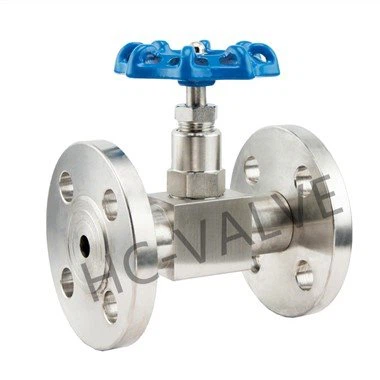
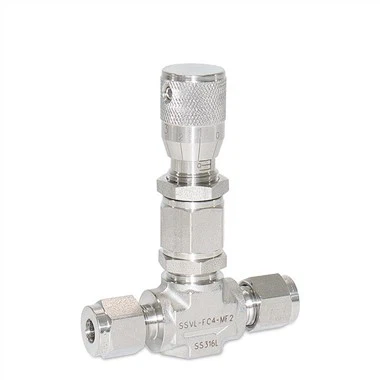
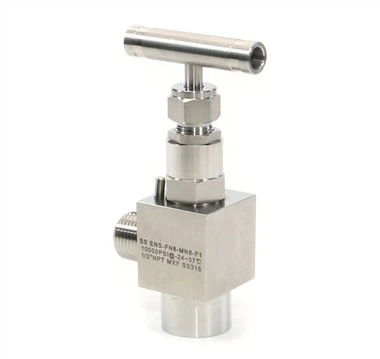
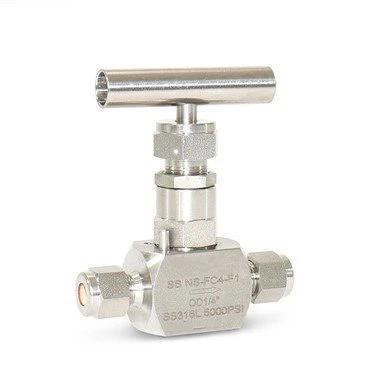
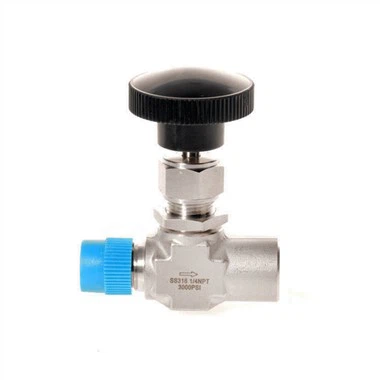
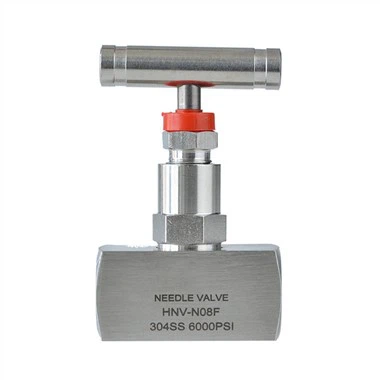
Stainless Steel Needle Valve

Company Profile


We are a leading and professional manufacturer for all kind of ball valves. Our main products include Sanitary Tri Clamp 3 Piece Ball Valve, brass mini ball valve, Brass Shut Off Ball Valve With Mini Check Valve, Lead Free Brass Shut Off Mini Ball Valve, brass angle tube ball valve, brass double ferrule ball vlave, SS panel mounted ball valve, instrument female angle ball valve, Instrument panel mounted ball valve, Three Piece Extension Tube Butt Welded Ball Valve, Three Piece Ball Valve, One Piece Ball Valve, etc.

Why Choose Us

Customization

Our company accept all kind of customized products that you just need to offer drawing or samples. if you don't have drawing, we can make it for you. And we can send you samples for check quality.

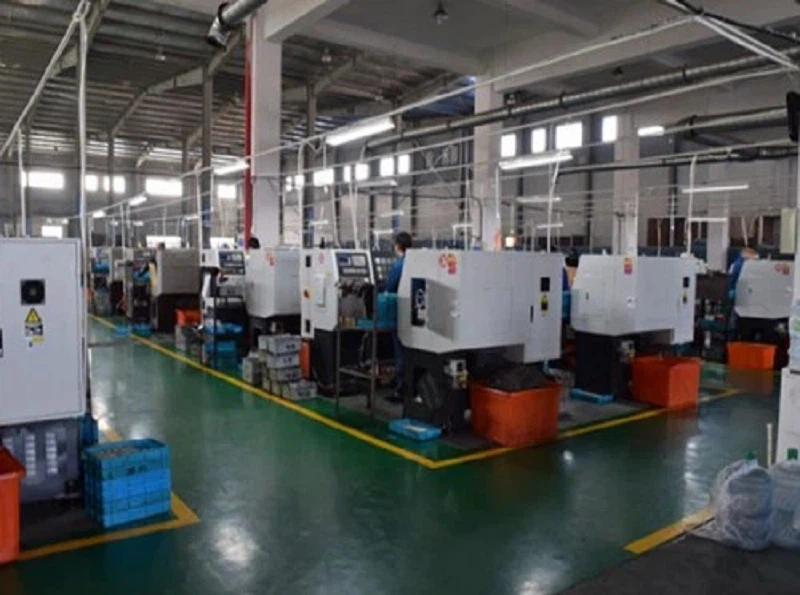
Factory

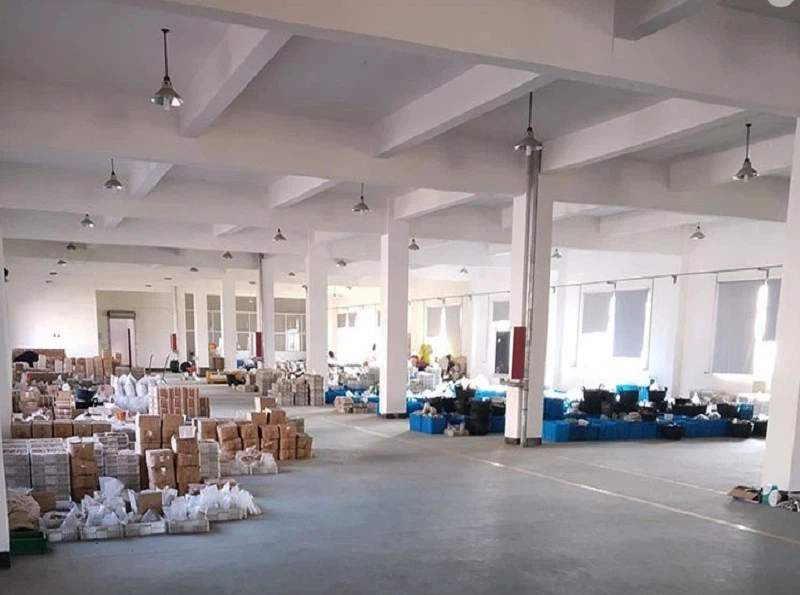
Wenzhou Huancheng Pipeline Valve Co., Ltd (Huancheng) founded in1996,China .We are a leading and professional manufacturer for all kind of ball valves.


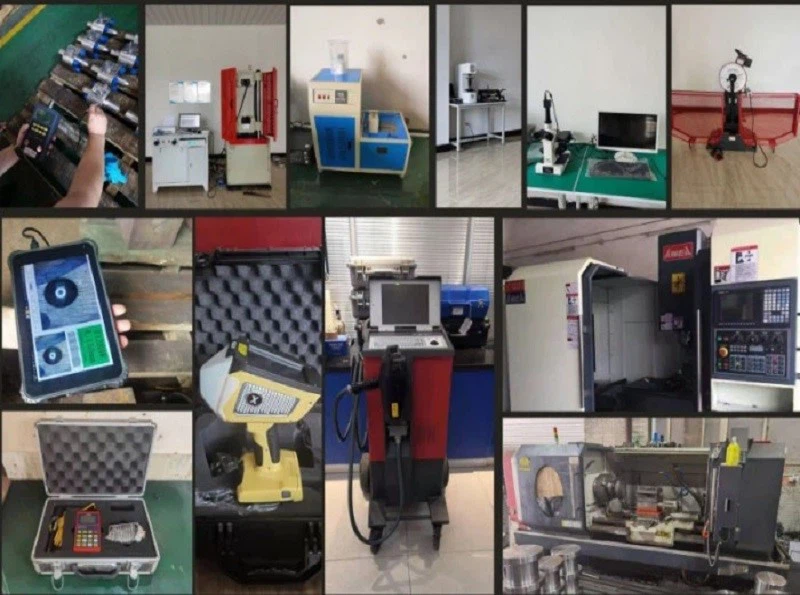
Quality Control

Huancheng is devoted to being a world-class supplier for submit to international markets all types of valves in an extensive wide range of material, sizes and pressure classes for various industry sectors like Petrochemical, Oil and Gas, Petroleum refinery,Metallurgy, Energy, Water and Sewage lines, Food, Pharmacy, electric appliance,car, Power station and Ship building

Professional Team

Our professional team collaborate and communicate effectively with one another, and are committed to delivering high-quality results. They are capable of handling complex challenges and projects that require their specialized expertise and experience.
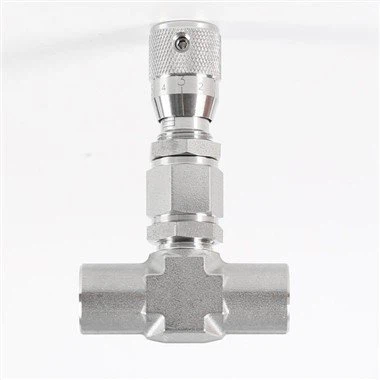
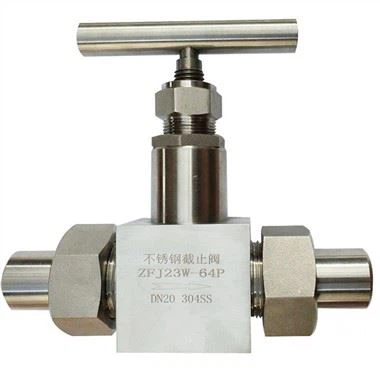


What is a Stainless Steel Needle Valve?


A instrumentation tube fittings,compression fitting,stainless steel tube fitting is a small, precise instrument that regulates the flow of liquids or gases in a system. It features a stem that moves a pointed needle in or out of a seat to control fluid flow. The use of steel for the valve construction ensures resistance, to rust, corrosion and heat.


Needle valve is a type of valve that can be used to regulate or complete the isolation of the fluid. The unique feature of the valve is the structure of a small plunger with the shape of a Needle. The plunger features a small handle to operate in the easy and precise operation of the valve. When fully attached, the extended end of the valve fits exactly into the seat, a part of the appliance that is being regulated.

 
Benefits of Stainless Steel Needle Valve
 
01/

Precise Flow Control
Stainless steel needle valves provide precise flow control, enabling accurate adjustment of fluid rates in various industries. Their tapered needle design ensures fine-tuned regulation, making them ideal for applications where precision is critical. The corrosion-resistant stainless-steel construction enhances durability, ensuring long-lasting and reliable performance in diverse environments.

02/

Enhanced Safety
Stainless steel needle valves contribute to enhanced safety in industrial processes by providing reliable and secure fluid control. The corrosion-resistant properties of stainless steel ensure durability, preventing leaks and maintaining system integrity, thereby minimizing the risk of accidents and ensuring a safer working environment.

03/

Longevity and Reliability
Stainless steel needle valves offer longevity and reliability due to their corrosion-resistant properties. This ensures prolonged service life and dependable performance in various industrial applications, contributing to overall system efficiency.

04/

Compatibility with Different Fluids
Stainless steel needle valves exhibit excellent compatibility with various fluids, including corrosive and high-temperature substances. This versatility makes them suitable for diverse industrial applications, ensuring reliable and efficient fluid control across various chemical and process environments.

Type of Stainless Steel Needle Valve


Screwed Bonnet Needle Valve

This type of needle valve features a threaded bonnet that screws onto the valve body, providing a secure seal. It is commonly used in low to medium pressure applications and is suitable for general-purpose fluid control.

Union Bonnet Needle Valve

Union bonnet needle valves have a bonnet that can be easily removed for maintenance or repair. They are designed for applications requiring frequent access to the valve internals, such as sampling systems and pressure gauges.

Rising Stem Needle Valve

Rising stem needle valves feature a stem that moves linearly upwards as the valve is opened, providing visual indication of the valve position. They are commonly used in systems where precise control and visual feedback are necessary, such as laboratory equipment and flow metering devices.

Non-Rising Stem Needle Valve

Non-rising stem needle valves have a stem that does not move vertically as the valve is operated. Instead, the stem rotates to control the flow rate. This design is suitable for applications with limited space or where vertical movement is restricted.

Multiport Needle Valve

Multiport needle valves have multiple inlet and outlet ports, allowing for versatile flow configurations. They are commonly used in complex fluid systems where multiple flow paths are required, such as distribution manifolds and mixing applications.

Applications of Stainless Steel Needle Valves
 

Oil and Gas Industry
In the rigour of oil and gas applications, where extreme pressures and corrosive substances are the norm, stainless steel needle valves ensure reliable and safe control over flow rates.


Chemical and Petrochemical Industry
These industries mandate valves that withstand aggressive chemicals, high temperatures, and pressures. Stainless steel needle valves meet these stringent requirements.


Pharmaceutical Industry
The hygiene and precision required in pharmaceutical manufacturing processes are well-served by stainless steel needle valves’ cleanability and precise control.


Food and Beverage Industry
Like pharmaceuticals, the food and beverage industry demands sanitary conditions and exact flow control, particularly in processes like fermentation or dosing, where the flow rate significantly impacts product quality.


Laboratory and Research Applications
Precision is key in laboratories, making stainless steel needle valves indispensable for managing small, precise volumes of gases or liquids during experiments or testing.

Butt weld needle valve
How Does a Stainless Steel Needle Valve Work


Stainless steel needle valves can operate manually or automatically. Manually operated stainless steel needle valves use the handwheel to control the distance between the plunger and the valve seat. When the handwheel is turned in one direction, the plunger is lifted to open the valve and allow fluid to pass through. When the handwheel is turned in the other direction, the plunger moves closer to the seat to decrease the flow rate or close the valve.


Automated stainless steel needle valves are connected to a hydraulic motor or an air actuator that automatically opens and closes the valve. The motor or actuator will adjust the plunger’s position according to timers or external performance data gathered when monitoring the machinery.


Both manually operated and automated stainless steel needle valves provide precise control of the flow rate. The handwheel is finely threaded, which means it takes multiple turns to adjust the position of the plunger. As a result, a stainless steel needle valve can help you better regulate the flow rate of fluid in the system.

Components Of Stainless Steel Needle Valve


Stainless steel needle valve are precision instruments used to regulate the flow of gases and liquids in various industries. Understanding the components of these valves is crucial for maintaining and repairing these important pieces of equipment.


Body
The body of a needle valve is the main housing that holds all the internal components together. It is typically made of durable materials such as stainless steel or brass to withstand high pressure and corrosive environments.


Bonnet
The bonnet of the valve is the top part that encloses the valve stem and provides a seal to prevent leaks. It is usually threaded or bolted to the body and is designed to withstand the pressure exerted by the fluid or gas passing through the valve.


Stem
The stem is the part of the needle valve that connects the handwheel or actuator to the internal components, allowing the user to control the flow of the fluid or gas. It is crucial for the smooth operation of the valve and is often made of stainless steel for strength and corrosion resistance.


Seat
The seat of a needle valve is the sealing surface that the needle or plunger comes into contact with to shut off the flow. It is typically made of hard materials such as ceramic or Stellite to withstand wear and ensure a tight seal.


Packing
The packing of a needle valve provides a seal around the stem to prevent leaks. It is usually made of materials like PTFE (Teflon) or graphite to provide a reliable seal while allowing the stem to move smoothly.

 
Stainless Steel Needle Valve Vs. Ball Valve
 

Applications requiring quick state modifications, such as going from open to shut or from close to open instantaneously, are better suited for ball valves. However, stainless steel needle valves are a preferable choice when the application requires highly accurate flow control by altering the plunger position.


Evidently, one primary difference is the layout of the flow control element. The ball valve features a handle, whereas the stainless steel needle valve retains a hand wheel. The flow rate can be altered by the stainless steel needle valve but not by the ball valve.


When blending procedure lines are needed, stainless steel needle valves are fantastic for valve manifolds. Ball valves should not be used in these situations since expanded or permanent throttling can result in failure.


A stainless steel needle valve offers additional regulating chances that ball valves do not, which is another feature that sets these valves apart from one another. Considering the precision the stainless steel needle valve provides, calibration applications are its optimum use.


In comparison to a stainless steel needle valve, a ball valve makes it simple to discern whether it is open or closed. When the stainless steel needle valve is totally opened, a few turns on the screwdriver are required, but only a 90° turn is needed for the ball valve.


The functioning element is one of these valves’ primary design differences. A stainless steel needle valve has a pointed shaft that is forced up against a seat that is lifted or decreased by a screw attached to the top of the handle or wheel. A sphere is sandwiched between a gasket in a ball valve. Normally, this globe or “ball” has a gap with the same bore as the inlet connection, and it is attached to a stem, which is then attached to a handle.


For applications in marine or seawater settings, petroleum refining, brewing, and other industries, the stainless steel ball valve can boost corrosion resistance. Automatic combustion control systems, gas bleeder chains, metering operations, liquid power systems, sampling chains, and vacuum systems are a few examples of common applications for stainless steel needle valves.


Maintenance and Care Tips for Stainless Steel Needle Valve


Stainless steel needle valve stand as indispensable components in fluid control systems, orchestrating precise regulation of flow. Their pivotal role warrants regular maintenance and meticulous care to uphold efficiency and reliability. This article delves into crucial maintenance tasks, ensuring extended service life and optimized performance of stainless steel needle valve.


Precision in Fluid Control
Stainless steel needle valve epitomize precision in fluid regulation, featuring a slender, tapered plunger for gradual control of flow rates. Renowned for their ability to facilitate fine adjustments, these valves find application across diverse sectors, including laboratories, industrial processes, and instrumentation systems.


Ensure Uninterrupted Operation
Regular cleaning is imperative to thwart debris buildup, ensuring unhindered operation. Utilize appropriate solvents to purge dirt and contaminants from the valve body, seat, and sealing surfaces. Thorough internal flushing eliminates residues that might compromise performance. Optimal lubrication mitigates friction and wear between moving components. Apply compatible lubricants to the needle stem and threads, fostering smooth operation while averting seizing. Prudent application prevents over-lubrication, which could attract contaminants and impede functionality. Periodic scrutiny of sealing components is paramount to preempt potential issues. Assess the integrity of O-rings, gaskets, and packing seals for signs of wear, corrosion, or damage. Prompt replacement of worn or damaged seals upholds leak-tight integrity, forestalling fluid loss, or system failure.


Safeguarding Against Adverse Conditions
Environmental factors significantly influence needle valve performance and longevity. Shield valves from corrosive chemicals, extreme temperatures, and abrasive particles that accelerate wear and deterioration. Implement protective measures tailored to harsh operating environments, safeguarding functionality and reliability.


Proactive maintenance and attentive care constitute pillars for maximizing needle valve performance and longevity. By adhering to cleaning, lubrication, inspection, and timely parts replacement, users fortify systems against failures, enhancing stability and reliability. Prioritizing needle valve maintenance yields dividends in operational excellence across diverse applications and industries.

 
Our Factory

Wenzhou Huancheng Pipeline Valve Co., Ltd (Huancheng) founded in1996,China .Huancheng is devoted to being a world-class supplier for submit to international markets all types of valves in an extensive wide range of material, sizes and pressure classes for various industry sectors like Petrochemical, Oil and Gas, Petroleum refinery,Metallurgy, Energy, Water and Sewage lines, Food, Pharmacy, electric appliance,car, Power station and Ship building

productcate-1-1
productcate-800-595
productcate-800-595
productcate-800-595
FAQ

Q: What is a Stainless Steel Needle Valve?

A: A stainless steel needle valve is a type of valve that uses a tapered stem (needle) and seat to precisely regulate the flow of fluids. It is designed to provide fine control over the flow rate.

Q: What Makes Stainless Steel Needle Valves Unique?

A: Their unique design allows for very precise control over flow, making them ideal for low flow applications. The needle-like stem provides a tight seal when closed and allows for fine adjustments.

Q: What are the Common Applications of Stainless Steel Needle Valves?

A: They are commonly used in applications that require precise flow control, such as in laboratories, chemical processing, and in the oil and gas industries.

Q: What are the Main Components of a Stainless Steel Needle Valve?

A: The main components include the valve body made of stainless steel, the stem (needle), a seat, and a handle or wheel for operation.

Q: How do Stainless Steel Needle Valves Operate?

A: Operation is simple but requires a bit more turning than other valves due to their fine control. Turning the handle or wheel moves the needle in or out of the seat, adjusting the flow.

Q: What are the Pressure Ratings of Stainless Steel Needle Valves?

A: They are known for their ability to handle high pressures, with ratings often exceeding 5000 psi, depending on the specific valve and size.

Q: What is the Temperature Range for Stainless Steel Needle Valves?

A: They can handle a wide range of temperatures, typically from cryogenic temperatures up to around 550°F (288°C), depending on the materials used.

Q: What are the Advantages of Stainless Steel Needle Valves?

A: They offer precise flow control, high pressure resistance, and durability. The stainless steel construction also offers good corrosion resistance.

Q: How do You Maintain Stainless Steel Needle Valves?

A: Regular inspection for wear on the needle and seat is important. Lubrication of moving parts and cleaning to remove any debris can help maintain performance.

Q: What are the Sealing Materials Used in Stainless Steel Needle Valves?

A: Sealing materials can include PTFE, Teflon, or metal-to-metal seals, depending on the application and the need for chemical resistance.

Q: What is the purpose of a needle valve?

A: A needle valve is used to accurately control flow rates of clean gasses or liquids. Gradual adjustments of the stem and plunger enable smooth flow control. These valves generally have low flow rates and a relatively significant pressure drop from the inlet to the outlet.

Q: What is the difference between a needle valve and a control valve?

A: The 'Needle Valve' controls flow in both directions, whereas the 'Flow Control' valve controls flow in one direction and provides full-flow in the reverse direction. Both are typically used in flow meter applications, primarily when a consistent, calibrated, low flow rate must be maintained.

Q: What is the difference between a gate valve and a needle valve?

A: Gate valves are larger and heavier, while needle valves are compact and lightweight. Needle valves offer accurate flow control even at low rates. The choice between these valves depends on specific application requirements. These include flow rate, pressure, temperature, and space limitations.

Q: What is the difference between a gauge valve and a needle valve?

A: Gauge Valves are mainly used to isolate a process from instrumentation such as transducers or gauges and are typically utilised together with block and bleed valves. A Needle Valve is used for fine regulation of flows whereas a Gauge Valve is used (in most cases) for pressure isolation.

Q: What is another name for a needle valve?

A: In an industrial piping system, there are many ways to isolate the fluid flow. Needle valves, commonly known as plunger valves, are employed to fulfil this purpose. They control and regulate the fluid flow and pressure in a pipeline.

Q: Are needle valves good?

A: Most needle valves are also highly resistant to both hot and cold temperatures while providing exceptional service life in high-pressure or high-vibration environments. Finally, they create a high pressure drop when open, allowing for even easier metering and control of processes.

Q: What is the concept of needle valve?

A: An instrument needle valve uses a tapered pin to gradually open a space for fine control of flow. The flow can be controlled and regulated with the use of a spindle. A needle valve has a relatively small orifice with a long, tapered seat, and a needle-shaped plunger on the end of a screw, which exactly fits the seat.

We're professional stainless steel needle valve manufacturers and suppliers in China, specialized in providing high quality products with low price. We warmly welcome you to wholesale stainless steel needle valve in stock here from our factory. For customized service, contact us now.

socket end pipe fittings, fluid control valve, process valve

(0/10)

clearall