Call Us: +86-577-66990028Email: sales@huancheng-valve.com
enLanguage

Stainless Steel Beverage Fittings

Company Profile


We are a leading and professional manufacturer for all kind of ball valves. Our main products include Sanitary Tri Clamp 3 Piece Ball Valve, brass mini ball valve, Brass Shut Off Ball Valve With Mini Check Valve, Lead Free Brass Shut Off Mini Ball Valve, brass angle tube ball valve, brass double ferrule ball vlave, SS panel mounted ball valve, instrument female angle ball valve, Instrument panel mounted ball valve, Three Piece Extension Tube Butt Welded Ball Valve, Three Piece Ball Valve, One Piece Ball Valve, etc.

Why Choose Us

Customization

Our company accept all kind of customized products that you just need to offer drawing or samples. if you don't have drawing, we can make it for you. And we can send you samples for check quality.

Factory

Wenzhou Huancheng Pipeline Valve Co., Ltd (Huancheng) founded in1996,China .We are a leading and professional manufacturer for all kind of ball valves.


Quality Control

Huancheng is devoted to being a world-class supplier for submit to international markets all types of valves in an extensive wide range of material, sizes and pressure classes for various industry sectors like Petrochemical, Oil and Gas, Petroleum refinery,Metallurgy, Energy, Water and Sewage lines, Food, Pharmacy, electric appliance,car, Power station and Ship building

Professional Team

Our professional team collaborate and communicate effectively with one another, and are committed to delivering high-quality results. They are capable of handling complex challenges and projects that require their specialized expertise and experience.

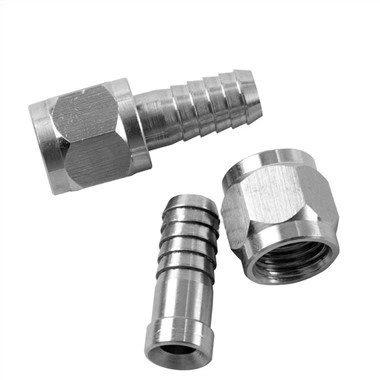


What is Stainless Steel Beverage Fittings?


Stainless steel beverage fittings are essential components in various industries, known for their durability, corrosion resistance, and versatility. Whether you are in plumbing, automotive, or construction, Stainless steel beverage fittings offer a reliable solution for connecting pipes, tubes, and other components.


Stainless Steel Beverage Fittings has a high resistance to pitting and staining caused by corrosion, aka oxidization. However, when iron based metals like carbon steel are exposed to oxygen their chemical properties can change due to oxidation, turning a reddish-brown iron oxide which will eventually disintegrate.

 
Benefits of Stainless Steel Beverage Fittings
 
01/

Durability and Strength
Stainless steel beverage fittings are renowned for their strength and long-lasting performance. Unlike other materials that may corrode or wear out over time, stainless steel remains robust and reliable, even in harsh environments.

02/

Corrosion Resistance
One of the standout features of stainless steel is its excellent resistance to corrosion. This makes Stainless steel beverage fittings ideal for applications involving water, chemicals, and other corrosive substances. They maintain their integrity and appearance, ensuring a longer lifespan.

03/

Versatility
Stainless steel beverage fittings come in various shapes and sizes, including specialized types such as Bevel Seat Fittings, I-Line Fittings, Plate Flanges, Tri-Clamp Fittings, and Weld Fittings. This versatility allows for a wide range of applications, from simple plumbing repairs to complex industrial systems.

04/

Material Benefits
The combining of corrosion resistance with high strength allows the reduction in wall thickness and weight. Stainless steel is resistant to heat and chemical damage. It can withstand very high flow rates - in excess of 40m/s, making it capable to withstand long-term exposure to the elements in almost any environment.

Type of Stainless Steel Beverage Fittings


Bevel Seat Fittings
Bevel Seat Fittings are commonly used in sanitary processing industries such as dairy, food, and beverage. These fittings provide a secure, leak-proof seal and are easy to assemble and disassemble for cleaning and maintenance.


I-Line Fittings
I-Line Fittings are designed for use in high-pressure and high-temperature applications. They offer a robust connection that is ideal for industries requiring strict hygiene standards, such as pharmaceuticals and biotechnology.


Plate Flanges
Plate Flanges are used to connect pipes to other components like valves, pumps, and other flanges. They provide a strong, leak-proof connection and are commonly used in industrial applications where robust performance is required.


Tri-Clamp Fittings
Tri-Clamp Fittings, also known as sanitary clamp fittings, are widely used in food, beverage, and pharmaceutical industries. They provide a quick and secure way to connect and disconnect sections of piping for cleaning and maintenance.


Weld Fittings
Weld Fittings are used to permanently connect pipes and other fittings through welding. These fittings are ideal for high-pressure and high-temperature applications where a secure, leak-proof connection is essential.

Application of Stainless Steel Beverage Fittings

Stainless steel beverage fittings and adapters are used in a myriad of applications due to their versatility, durability, and resistance to corrosion. Here are some of the common applications:

Plumbing and Piping

Stainless steel beverage fittings are extensively used in plumbing systems for both residential and commercial buildings. They are used to connect pipes and tubes, change the direction of flow, and regulate the flow of fluids. Their resistance to corrosion makes them ideal for carrying water and other fluids.

Oil and Gas Industry

The oil and gas industry relies heavily on Stainless steel beverage fittings and adapters for drilling and extraction processes. These fittings can withstand the corrosive substances and high pressures involved in the process.

Food and Beverage Industry

The food and beverage industry requires hygienic and clean environments. Stainless steel beverage fittings are corrosion-resistant and easy to clean, making them ideal for this industry. They are used in food processing, brewing, and dairy equipment.

Automotive Industry

Stainless steel adapters are used in the automotive industry to manufacture vehicles. They are used in the exhaust systems, fuel lines, and other components due to their ability to withstand high temperatures and resist corrosion.

Pharmaceutical Industry

In the pharmaceutical industry, Stainless steel beverage fittings are used to manufacture and pack drugs. Their resistance to corrosion and ability to maintain hygiene makes them suitable for this industry.

Choosing the Right Stainless steel beverage fittings

Selecting the appropriate Stainless steel beverage fittings is paramount to the efficiency and longevity of a system. This process involves careful consideration of various factors to ensure compatibility and performance.


Factors to Consider Before Selecting Fittings

Before settling on a specific Stainless steel beverage fittings , several critical factors must be taken into account. These include the type of application, operating conditions (such as temperature and pressure), compatibility with other materials in the system, and the potential for exposure to corrosive elements. Additionally, considerations should extend to factors like ease of installation, maintenance requirements, and adherence to industry-specific standards and regulations. Thoughtful evaluation of these elements is key to making an informed decision.


Common Applications for Stainless steel beverage fittings

Stainless steel beverage fittings find wide-ranging applications across multiple industries due to their exceptional durability and resistance to corrosion. They are commonly utilized in industries such as chemical processing, petrochemicals, food and beverage, pharmaceuticals, and marine applications. Their adaptability to harsh environments and compatibility with a diverse range of substances make them indispensable in scenarios where reliability and longevity are paramount.


Sizing and Dimensional Considerations

Accurate sizing and dimensional considerations are critical in ensuring a seamless integration of Stainless steel beverage fittings within a system. This involves meticulous attention to parameters such as outer diameter, inner diameter, thread size, and overall length. A precise fit not only guarantees optimal performance but also minimizes the risk of leaks or inefficiencies. It is imperative to refer to manufacturer specifications and industry standards to ascertain the correct sizing for the specific application.

 
Choosing the Right Stainless steel beverage fittings
 

Selecting the appropriate Stainless steel beverage fittings is paramount to the efficiency and longevity of a system. This process involves careful consideration of various factors to ensure compatibility and performance.


Factors to Consider Before Selecting Fittings
Before settling on a specific Stainless steel beverage fittings , several critical factors must be taken into account. These include the type of application, operating conditions (such as temperature and pressure), compatibility with other materials in the system, and the potential for exposure to corrosive elements. Additionally, considerations should extend to factors like ease of installation, maintenance requirements, and adherence to industry-specific standards and regulations. Thoughtful evaluation of these elements is key to making an informed decision.


Common Applications for Stainless steel beverage fittings s
Stainless steel beverage fittings s find wide-ranging applications across multiple industries due to their exceptional durability and resistance to corrosion. They are commonly utilized in industries such as chemical processing, petrochemicals, food and beverage, pharmaceuticals, and marine applications. Their adaptability to harsh environments and compatibility with a diverse range of substances make them indispensable in scenarios where reliability and longevity are paramount.


Sizing and Dimensional Considerations
Accurate sizing and dimensional considerations are critical in ensuring a seamless integration of Stainless steel beverage fittings s within a system. This involves meticulous attention to parameters such as outer diameter, inner diameter, thread size, and overall length. A precise fit not only guarantees optimal performance but also minimizes the risk of leaks or inefficiencies. It is imperative to refer to manufacturer specifications and industry standards to ascertain the correct sizing for the specific application.

Beverage Swivel Fittings
Stainless Steel Beverage Fittings Material and Physical and Chemical Properties
 

Material Composition

Stainless steel is an alloy known for its exceptional strength and corrosion resistance. It is primarily composed of iron, chromium (at least 10.5%), and nickel.

Chromium is a critical element in stainless steel as it forms a thin, passive oxide layer on the surface when exposed to oxygen. This layer acts as a shield against corrosion, preventing the underlying metal from rusting. Depending on the specific application and required properties, different grades of stainless steel are used in fittings. The most common grades are:304 Stainless Steel: Often referred to as "18-8" stainless steel, this grade contains approximately 18% chromium and 8% nickel. It is known for its excellent corrosion resistance, making it suitable for a wide range of applications, including those in the food processing and chemical industries.

316 Stainless Steel: This grade includes molybdenum (2-3%), which enhances its resistance to pitting and crevice corrosion,particularly in chloride environments. It is commonly used in marine, pharmaceutical,and chemical applications where superior corrosion resistance is essential.

Physical and Chemical Properties

Corrosion Resistance: One of the most significant advantages of Stainless steel beverage fittings is their exceptional corrosion resistance. The chromium in the alloy reacts with oxygen to form a passive oxide layer that is self-repairing. This makes stainless steel ideal for use in harsh environments such as marine,industrial, and chemical processing settings where exposure to corrosive elements is common.

Strength and Durability: Stainless steel beverage fittings possess high tensile strength, meaning they can withstand significant mechanical stress and pressure without deforming or breaking. This strength ensures that the fittings maintain their integrity and functionality over long periods, even under demanding conditions.

Temperature Tolerance: Stainless steel beverage fittings can maintain their mechanical properties across a wide range of temperatures. They remain stable and do not become brittle at low temperatures, such as those found in cryogenic applications. Conversely, they also retain their strength and resist oxidation at high temperatures, making them suitable for use in high-heat environments like power plants and industrial ovens.

 
Our Factory

Wenzhou Huancheng Pipeline Valve Co., Ltd (Huancheng) founded in1996,China .Huancheng is devoted to being a world-class supplier for submit to international markets all types of valves in an extensive wide range of material, sizes and pressure classes for various industry sectors like Petrochemical, Oil and Gas, Petroleum refinery,Metallurgy, Energy, Water and Sewage lines, Food, Pharmacy, electric appliance,car, Power station and Ship building

productcate-1-1
productcate-800-595
productcate-800-595
productcate-800-595
FAQ

Q: What are stainless steel beverage fittings primarily used for?

A: Stainless steel beverage fittings are mainly used in food and beverage industries for transporting liquids, gases, and sometimes foodstuffs. They ensure purity, hygiene, and minimal contamination due to their corrosion-resistant properties.

Q: Why choose stainless steel fittings for beverages instead of other materials?

A: Stainless steel offers superior durability and resistance to corrosion compared to other metals. It’s easy to clean, maintain, and sanitize, making it ideal for hygienic environments where contamination must be avoided.

Q: What grades of stainless steel are typically used for beverage fittings?

A: The most common grades are 304 and 316. Grade 304 is suitable for general applications, while 316 provides higher corrosion resistance, particularly in chloride environments, making it preferable for saltwater or high-acid applications.

Q: Are stainless steel beverage fittings difficult to install?

A: Installation complexity varies based on the fitting type—Some may require welding, while others screw-on or clamp. Sanitary quick-connect fittings, for example, offer ease of installation without the need for tools.

Q: Can stainless steel beverage fittings handle high temperatures?

A: Yes, they are suitable for high temperature applications, although this depends on the grade of stainless steel used. Typically, they can withstand temperatures up to around 1600°F (871°C) intermittently and 1700°F (927°C) continuously.

Q: How do you clean stainless steel beverage fittings?

A: Cleaning methods depend on the application. Commonly, CIP (Clean-In-Place) systems are used for internal cleaning, while external parts can be washed down manually or with automated washdown systems.

Q: Are there any regulations regarding the use of stainless steel beverage fittings?

A: Yes, especially in food and drink industries, compliance with FDA (Food and Drug Administration) and USDA (United States Department of Agriculture) standards is critical to ensure safety and hygiene.

Q: What is the lifespan of stainless steel beverage fittings compared to other materials?

A: Stainless steel fittings generally last longer than alternatives like plastic or brass due to their robustness and resistance to wear and tear, chemicals, and corrosion.

Q: What is a stainless steel fitting?

A: Stainless steel pipe fittings are used to connect different sections of pipes or tubes, allowing for the flow of fluids or gases. There are many different types of stainless steel pipe fittings available, each with its own unique uses and applications.

Q: What is the difference between sanitary and non-sanitary stainless steel fittings?

A: Sanitary fittings meet stringent design criteria for cleanliness and hygiene, including smooth surfaces, no crevices, and the ability to be fully cleaned and sanitized. Non-sanitary fittings might not adhere to these same standards and could potentially harbor bacteria.

Q: How do stainless steel beverage fittings compare to plastic ones in terms of chemical resistance?

A: Stainless steel offers superior chemical resistance and can handle harsher substances without degrading compared to most plastics.

Q: Why use stainless steel fittings?

A: Stainless steel fittings are an essential component of any piping system. They are used to connect pipes and tubes, control the flow of fluids, and regulate pressure. These fittings are highly durable, corrosion-resistant, and can withstand high temperatures and pressures.

Q: Can you bury stainless steel fittings?

A: The quick answer in the vast majority of situations is yes! However, in some geographic areas where salts, such as sulphates and chlorides, are present in the soil and if the soil in the area is known to be aggressive with a low pH value, the use of 304SS may not be the best option.

Q: What if my stainless steel fittings start showing signs of corrosion?

A: Corrosion can indicate poor quality or incorrect use. Ensure that the fittings are of the correct grade for the environment and application. Address issues promptly by replacing damaged components.

Q: How long do stainless steel fittings last?

A: The typical lifespan of Stainless Steel 304 Seamless Pipes can range from 20 to 50 years, depending on the factors mentioned above. In environments where the pipes are exposed to moderate conditions and well-maintained, they can even exceed the 50-year mark.

Q: Do stainless steel fittings rust?

A: And the mechanism of corrosion resistance on stainless steel is the passivation film theory. The so-called passivation film is a thin film with Cr2O3. This film can prevent the stainless steel from corrosion in varieties of media, which is called passivation.

Q: Do you need Teflon tape on stainless steel fittings?

A: In Conclusion: To ensure leak-proof connections in stainless steel it has been proven and is highly recommended that the installer first wraps the pipe threads with two or more thicknesses of Gray Stainless Steel PTFE Thread Seal Tape then apply Gray Magic Pipe Thread Compound over the tape.

Q: Are stainless steel fittings safe for drinking water?

A: They are an excellent choice for residential or commercial potable water systems. They can also be suitable for a wide range of non-critical applications including industrial and commercial applications, food processing and other non-potable water piping systems.

We're professional stainless steel beverage fittings manufacturers and suppliers in China, specialized in providing high quality products with low price. We warmly welcome you to wholesale stainless steel beverage fittings in stock here from our factory. For customized service, contact us now.

exporter of high pressure stainless steel manifolds, solenoid valve, t type valve

(0/10)

clearall