Call Us: +86-577-66990028Email: sales@huancheng-valve.com
enLanguage

Brass Check Valve

Company Profile


We are a leading and professional manufacturer for all kind of ball valves. Our main products include Sanitary Tri Clamp 3 Piece Ball Valve, brass mini ball valve, Brass Shut Off Ball Valve With Mini Check Valve, Lead Free Brass Shut Off Mini Ball Valve, brass angle tube ball valve, brass double ferrule ball vlave, SS panel mounted ball valve, instrument female angle ball valve, Instrument panel mounted ball valve, Three Piece Extension Tube Butt Welded Ball Valve, Three Piece Ball Valve, One Piece Ball Valve, etc.

Why Choose Us

Customization

Our company accept all kind of customized products that you just need to offer drawing or samples. if you don't have drawing, we can make it for you. And we can send you samples for check quality.

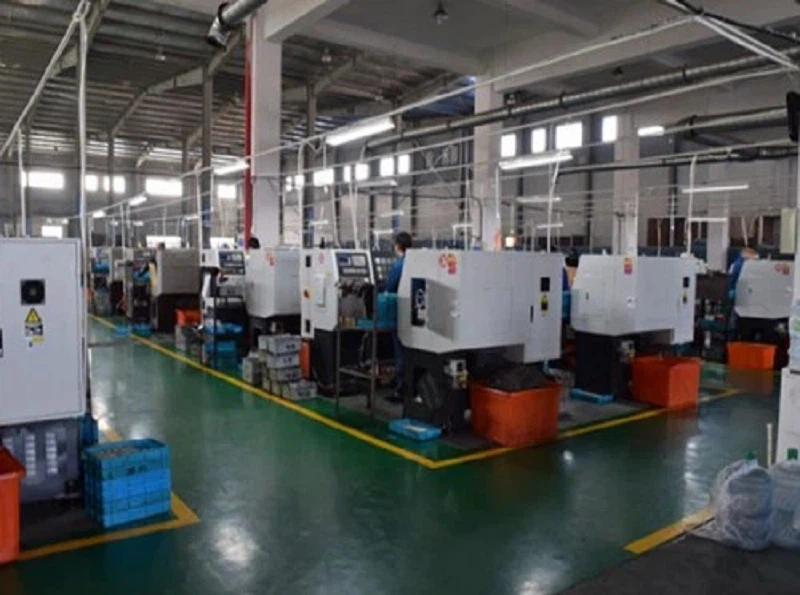
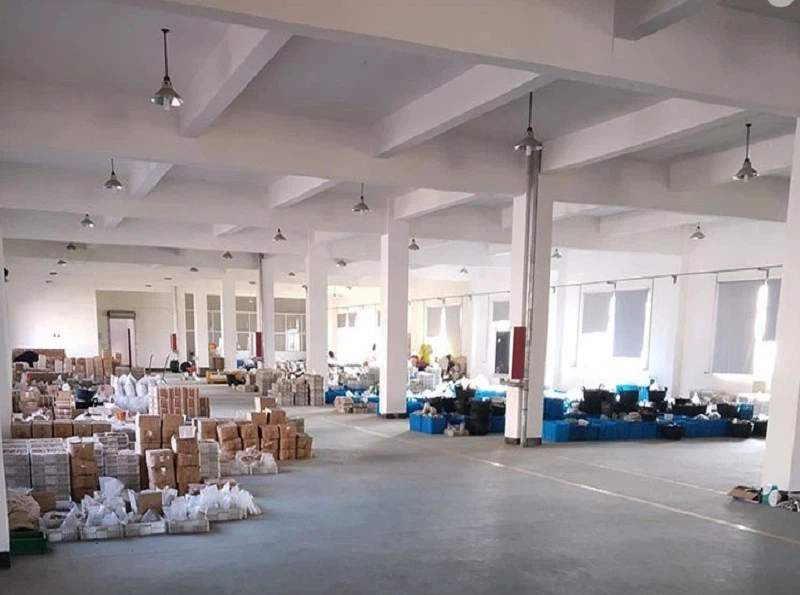
Factory

Wenzhou Huancheng Pipeline Valve Co., Ltd (Huancheng) founded in1996,China .We are a leading and professional manufacturer for all kind of ball valves.


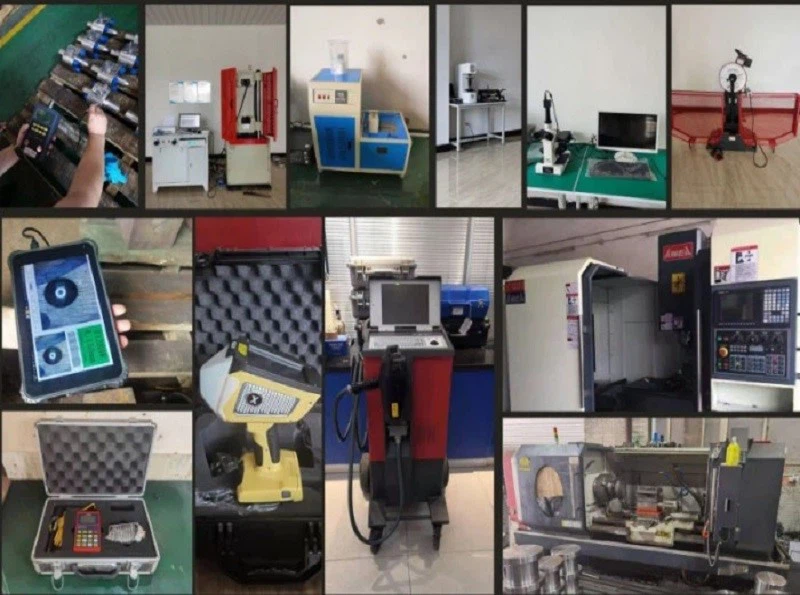
Quality Control

Huancheng is devoted to being a world-class supplier for submit to international markets all types of valves in an extensive wide range of material, sizes and pressure classes for various industry sectors like Petrochemical, Oil and Gas, Petroleum refinery,Metallurgy, Energy, Water and Sewage lines, Food, Pharmacy, electric appliance,car, Power station and Ship building

Professional Team

Our professional team collaborate and communicate effectively with one another, and are committed to delivering high-quality results. They are capable of handling complex challenges and projects that require their specialized expertise and experience.
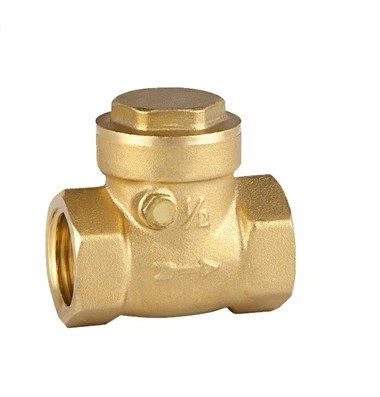
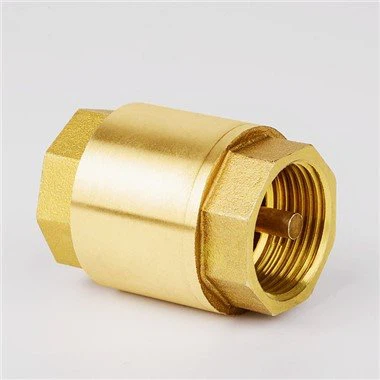


What is Brass Check Valve?


A brass check valve uses inlet fluid pressure to open. It then uses backpressure or mechanical components, such as a return spring, to close. In other words, it only allows media to go in one direction and not the other and is also called a one-way valve.A check valve only allows media to flow in one specified direction. The brass check valve is one such valve. Owing to the many benefits of brass, check valves made from it are popular in many applications, from home plumbing to industrial systems.

Benefits of Brass Check Valve


Prevents Backflow
One of the most important advantages of brass check valves is that they prevent backflow. Backflow occurs when water flows back into the main supply line, contaminating the water supply. Brass check valves act as a one-way gate, allowing water to flow in only one direction and preventing any backflow.Which Valve is Better, Bronze or Brass


Durable and Long-Lasting
Another advantage of brass check valves is their durability and longevity. Brass is a highly durable material that can withstand significant wear and tear, making it an excellent choice for valves that need to last for a long time. Brass check valves can also resist corrosion and rust, making them an ideal option for use in harsh environments.


Resists High Temperatures
Brass check valves are also able to resist high temperatures. This is because brass has a high melting point, making it well-suited to withstand the heat generated by hot water supply lines. This makes brass check valves an excellent choice for use in hot water systems.


Low Maintenance
Another advantage of brass check valves is that they are low maintenance. Unlike other types of valves that require regular greasing or lubrication, brass check valves require minimal maintenance to keep them functioning properly. This can save you time, money, and effort in the long run.


Easy to Install
Finally, brass check valves are easy to install. They come in various sizes and configurations, allowing you to choose the right valve for your specific application. Brass check valves also have threaded connections that make them easy to install and remove, which can save you time and effort during the installation process.

 
Type of Brass Check Valve
Swing Check Valve

A swing check valve is a type of flow control valve that allows forward flow. A spring is incorporated into the design of a swing check valve that helps the flapper to swing off the valve seat prior to reversing flow. Its spring is one of the most popular types of flow control valves. This type of valve is typically more expensive than other types of check

Ball Check Valve

A brass ball check valve uses a spring-loaded, movable disc as the closing member. The spring moves the ball toward the seat when reverse flow occurs. The interior surface of the main seat is conically tapered, guiding the ball into the seat and forming a positive seal when reverse flow is stopped. This type of valve is most commonly used domestically. But the name may sound intimidating. Here's an overview of this type of valve.

Lift Check Valve

A lift check valve is a type of valve that raises a disk or ball through upward flow pressure. These valves are generally installed in horizontal or vertical pipe-lines. They require an upward flow in order to raise the ball and piston above the seat. When backflow reaches the valve, the disc forces the ball into the seat. This prevents backwash. The lift check valve is a useful valve in a variety of applications.
The lift check valve is similar to a globe valve in design. Its internal baffle divides the compartment into two halves. In the middle of this sphere, a conical or disc-like plug forms the seal. The plug is fixed to a dowel that attaches to the downstream wall. Once the valve is closed, backflow is prevented. However, backflow can still occur if the valve is not properly closed.

Metal Check Valve

A brass check valve is a type of safety valve used to prevent backflow of compatible fluids. Its size ranges from 1/4" to 4", and its alloying elements include carbon and chromium. These two alloying elements give brass check valve its distinct properties. The result is a highly durable valve that offers good performance in a variety of industrial and commercial settings. Here are some of the most common uses for brass check valves.

How to Produce Brass Check Valve?
 

Material Selection
●Choosing Brass: Brass, an alloy of copper and zinc, is the preferred material for many valves due to its corrosion resistance, machinability, and durability. Its composition can vary, affecting its hardness, resistance, and appearance.

●Quality Control: Before manufacturing begins, the brass is inspected for impurities or inconsistencies. This step ensures that the final product will perform efficiently and last longer.


Design and Prototyping
●CAD Designs: Modern valve production often starts with Computer-Aided Design (CAD) programs, where the valve’s design is conceptualized in a digital space, considering its size, pressure ratings, and specific use scenarios.

●Prototyping: Before full-scale production, a prototype might be crafted to test the valve’s function and fit in real-world applications.

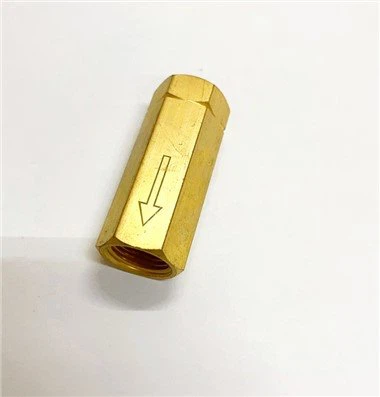
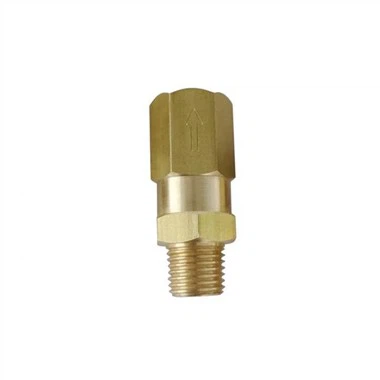
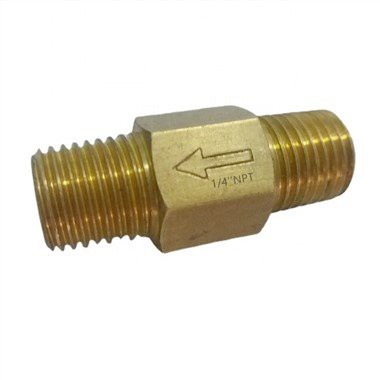
黄铜弹簧止回阀


黄铜水平止回阀

Forging and Casting
●Forging Process: High-quality brass check valves are often forged. Brass bars are heated until malleable and pressed or hammered into valve shapes using high-pressure machinery.

●Casting: Alternatively, molten brass can be poured into molds (casting) to create the valve’s body. This method allows for intricate designs but might require further machining.


Machining and Shaping
●CNC Machining: Computer Numerical Control (CNC) machines provide precision in shaping the valve, ensuring accurate dimensions and threads.

●Manual Adjustments: Even with the precision of machines, the human touch is sometimes necessary. Artisans might manually adjust or finish parts of the valve to ensure perfection.


Assembly
●Integrating Components: The valve’s body, hinge pin, disc, and other components are assembled. This might involve screwing, pressing, or even welding parts together.
●Quality Checks: After assembly, the valve is tested for leaks and functionality, ensuring the disc opens and closes correctly and there’s no backflow.

Material of Brass Check Valve


Materials
Depending on the application, the components of check valves can be made from PVC (polyvinyl chloride), PP (polypropylene), stainless steel, brass, and other materials.


Brass
A brass check valve is usually found in low-pressure applications. It has great durability and works excellent for water, oil, and fuels. However, brass is less resistant to corrosion, heath, seawater.


PVC
Polyvinyl chloride material is often used in check valves in water management and irrigation systems because of its resistance to acids, chloride solutions, seawater, and other corrosive fluids. PVC shouldn’t be used for chlorinated hydrocarbons and other fluids with high temperatures (over 60 degrees Celsius).


Polypropylene
Polypropylene material has strong corrosion resistance, making them great for inorganic acids, aqueous solutions, and other media that can corrode metals. You can use them for aggressive fluids, water, and liquid food applications.


Stainless Steel
Stainless steel and titan check valves have excellent resistance to low and high temperatures, as well as corrosion. On the downside, this material is more expensive than other solutions.

 
Application of Brass Check Valve

Brass offers various advantages when used to make valves. A brass one-way check valve is durable, inexpensive, and resistant to corrosive materials. You can also use brass backflow preventers with various media types, including air or gas, fuel, and water.


Pumping Systems
A brass water check valve finds essential applications in the plumbing systems of homes, commercial facilities, or industrial plants. In these applications, you can use them as shut-off or control valves.
As we saw earlier, check valves made of brass are popular in the pumping systems of wells. Here, they help prevent water from flowing back while also blocking debris.


Automotive
In the automotive world, brass check valves are installed in older motor vehicles to prevent reverse flow. You can also use a brass fuel check valve with other fuels, such as jet fuel.
Backflow preventer valves made of brass are also available in various design options. That includes designs that fit both vehicle and aircraft applications.


Pneumatic Equipment and Systems
Brass air check valves find application in compressors and other pneumatic equipment and systems. They help prevent the backflow of fluid while letting it through whenever needed.
In low gas pressure applications, you can use them as a pressure relief valve that comes into operation when the pressure exceeds a preset level.

How Does a Brass Check Valve Work


A check valve only allows media to flow in one specified direction. The brass check valve is one such valve. Owing to the many benefits of brass, check valves made from it are popular in many applications, from home plumbing to industrial systems. Below, we look at how the brass, non-return check valve works and its different types.


A brass check valve uses inlet fluid pressure to open. It then uses backpressure or mechanical components, such as a return spring, to close. In other words, it only allows media to go in one direction and not the other and is also called a one-way valve.


To better understand the working principle of check valves, here’s what you need to know about their operating pressures. These are the opening pressure, also called cracking pressure, and the closing action when the force is not acting.

 
Installing Brass Check Valves
 

Step 1: Selecting the Right Valve
Before installation, it's important to select the correct brass check valve for your system. This includes checking the pipe size, flow rate, and pressure requirements. It's also essential to identify whether a horizontal or vertical valve is suitable for the system.Advantages and disadvantages of various valves on the market


Step 2: Shutting Off the Water
Before installation, turn off the water supply and drain the pipes to avoid any water pressure that could damage the valve.


Step 3: Preparing the Pipes
Clean and prepare the pipes by removing any debris or dirt. Pipe ends should be deburred and free of scratches. Apply pipe joint compound or Teflon tape to the threads if necessary.


Step 4: Installing the Valve
Screw the check valve onto the pipe in a counterclockwise direction using two wrenches – one to hold the valve and the other to tighten the pipe. Ensure that the valve arrow is facing in the correct direction for the flow of water.


Step 5: Testing
Turn the water supply back on and test the valve for any leaks or malfunctions.

 
Maintaining a Brass Check Valve

A Brass Check Valve doesn’t require too much maintenance. They are built to last for years. However, they can develop leaks if debris or other foreign particles get stuck between the ball and the seat, causing Brass Check Valve function to degrade.


Step 1: Keep it clean
Take steps to prevent damage to Brass Check Valves by keeping the area clean. If you can reach the valve, all you should need is a towel to wipe off dust and dirt. If the debris is caked on, use a wire brush.


Step 2: Keep an eye out
Another easy tip is to do regular inspections of your equipment. It’s a good way to spot potential problems before you end up needing expensive repairs.


Step 3: Clean everything up
You’ll need to take the valve out and disassemble it to look for debris and scratches. Wash all the parts with hydraulic fluid or whatever fluid is used in your pipe system.


Step 4: Keep the valve lubricated
This step is often overlooked, but lubrication can keep you from having to replace or repair valves. It can also ensure optimum Brass Check Valve operation, helping them last longer.
Be sure to use the correct lubricant for your system. Each system has specific requirements and if you use the wrong one it could damage the valves. For example, lubricants with clay or other solid-based thickeners can harden, leaving residue behind.


Step 5: Apply protective insulation
Extreme temperature changes can affect Brass Check Valve functions. They can even cause expensive damage. If your pipes are outside, you may need to add and inspect protective insulation as part of your maintenance routine.

 
Our Factory

Wenzhou Huancheng Pipeline Valve Co., Ltd (Huancheng) founded in1996,China .Huancheng is devoted to being a world-class supplier for submit to international markets all types of valves in an extensive wide range of material, sizes and pressure classes for various industry sectors like Petrochemical, Oil and Gas, Petroleum refinery,Metallurgy, Energy, Water and Sewage lines, Food, Pharmacy, electric appliance,car, Power station and Ship building

productcate-1-1
productcate-800-595
productcate-800-595
productcate-800-595
FAQ

Q: What is a Brass Check Valve?

A: A brass check valve is a type of valve that allows fluid or gas to flow through in one direction but prevents backflow or reverse flow. It is made primarily of brass, which offers good corrosion resistance and durability.

Q: How Does a Brass Check Valve Work?

A: A brass check valve operates automatically. It has a hinged or spring-loaded mechanism that opens when the flow is in the correct direction and closes when the flow attempts to reverse, preventing backflow.

Q: Where are Brass Check Valves Typically Used?

A: They are commonly used in plumbing systems, water supply lines, air compressors, hydraulic systems, and various industrial applications where preventing backflow is critical.

Q: What are the Advantages of Brass Check Valves?

A: They are cost-effective, offer good resistance to corrosion, and are durable. They require little maintenance and are suitable for a wide range of media.

Q: What is the Pressure Rating of a Brass Check Valve?

A: The pressure rating can vary depending on the specific valve design and size, but brass check valves can typically handle pressures up to several hundred PSI (pounds per square inch).

Q: What is the Temperature Range for Brass Check Valves?

A: Brass check valves can typically operate within a temperature range from -20°C to +150°C (-4°F to +302°F), although this can vary based on the design and materials used.

Q: Can Brass Check Valves Be Used with Aggressive Media?

A: Brass check valves are generally not recommended for use with highly corrosive media such as strong acids or alkalis. For such media, valves made from more resistant materials like stainless steel or special alloys are more suitable.

Q: How Do You Maintain a Brass Check Valve?

A: Regularly check for leaks and inspect the valve for any signs of wear or damage. Ensure the valve is not subjected to excessive pressure or temperatures that could damage it. Clean the valve if necessary, and replace seals or other parts as required.

Q: What Types of Brass Check Valves are Available?

A: There are several types, including swing check valves, ball check valves, and lift check valves. Each type has its own specific operating mechanism and is suited for different applications.

Q: How Do You Size a Brass Check Valve?

A: The valve size should match the pipe size it is being installed in. Consider the flow rate, pressure drop, and the type of media that will be passing through the valve when selecting the size.

Q: Can Brass Check Valves Be Repaired?

A: Yes, many parts can be replaced, such as seals and springs. However, if the valve body is damaged, it may need to be replaced.

Q: What are the Common Issues with Brass Check Valves?

A: Common issues include valve seat wear, which can lead to leaks, and debris blocking the valve, preventing it from closing properly. Regular maintenance can help prevent these issues.

Q: What is the Life Expectancy of a Brass Check Valve?

A: The life expectancy can vary widely depending on the application and maintenance. With proper care and use, a brass check valve can last for many years without significant issues.

Q: Can Brass Check Valves Be Used in High-Vibration Environments?

A: While brass check valves can withstand some vibration, high-vibration environments may require additional support to prevent damage or failure. Using vibration-resistant materials or designs can help.

Q: How Do Brass Check Valves Differ from Brass Gate Valves?

A: Brass gate valves are used for on/off control of flow, whereas check valves automatically prevent reverse flow. Gate valves require manual operation, while check valves operate automatically based on flow direction.

Q: What is the Difference Between a Brass Check Valve and a Brass Ball Valve?

A: A brass ball valve is used for on/off control and can provide a tight seal when closed. A check valve, on the other hand, is specifically designed to prevent backflow and does not provide an on/off function.

We're professional brass check valve manufacturers and suppliers in China, specialized in providing high quality products with low price. We warmly welcome you to wholesale brass check valve in stock here from our factory. For customized service, contact us now.

valve distributor, power plant valve, precision valve

(0/10)

clearall