Call Us: +86-577-66990028Email: sales@huancheng-valve.com
enLanguage

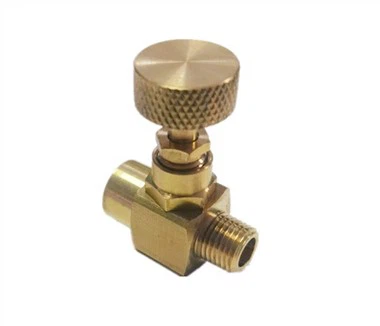
Brass Needle Valve

Company Profile


We are a leading and professional manufacturer for all kind of ball valves. Our main products include Sanitary Tri Clamp 3 Piece Ball Valve, brass mini ball valve, Brass Shut Off Ball Valve With Mini Check Valve, Lead Free Brass Shut Off Mini Ball Valve, brass angle tube ball valve, brass double ferrule ball vlave, SS panel mounted ball valve, instrument female angle ball valve, Instrument panel mounted ball valve, Three Piece Extension Tube Butt Welded Ball Valve, Three Piece Ball Valve, One Piece Ball Valve, etc.

Why Choose Us

Customization

Our company accept all kind of customized products that you just need to offer drawing or samples. if you don't have drawing, we can make it for you. And we can send you samples for check quality.

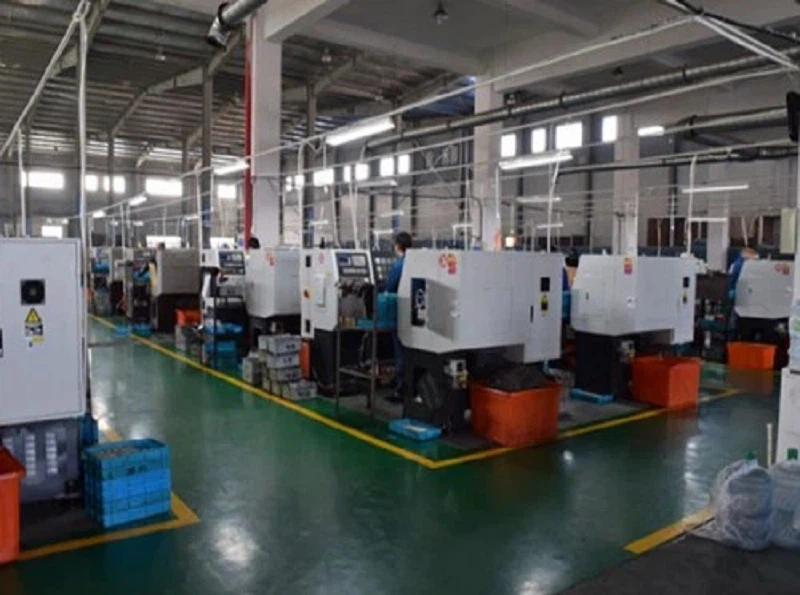
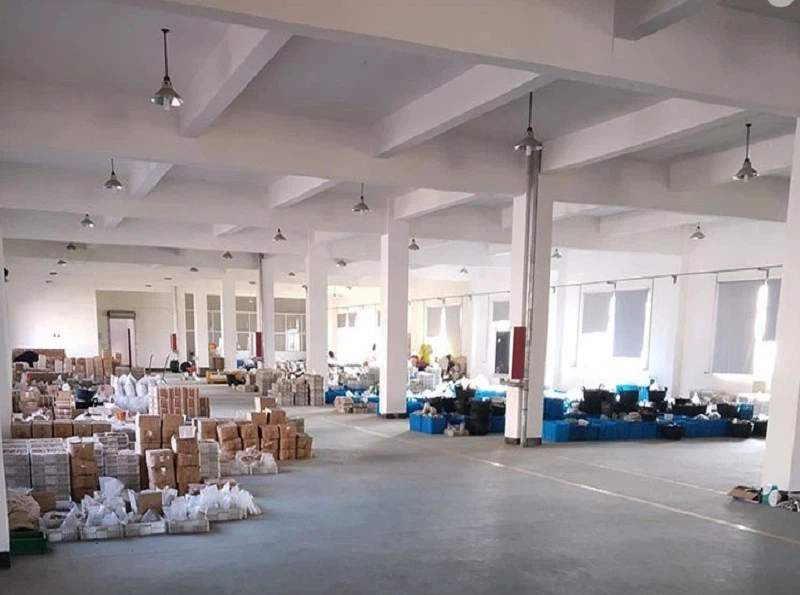
Factory

Wenzhou Huancheng Pipeline Valve Co., Ltd (Huancheng) founded in1996,China .We are a leading and professional manufacturer for all kind of ball valves.


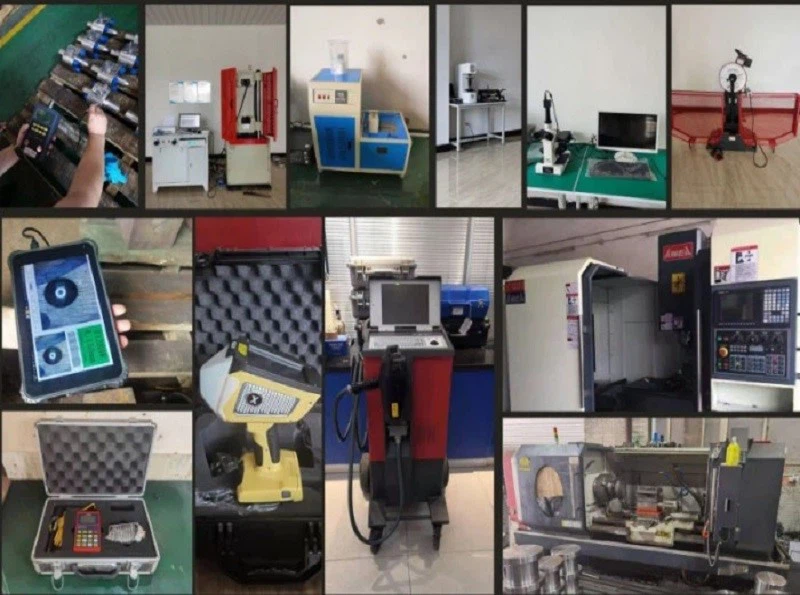
Quality Control

Huancheng is devoted to being a world-class supplier for submit to international markets all types of valves in an extensive wide range of material, sizes and pressure classes for various industry sectors like Petrochemical, Oil and Gas, Petroleum refinery,Metallurgy, Energy, Water and Sewage lines, Food, Pharmacy, electric appliance,car, Power station and Ship building

Professional Team

Our professional team collaborate and communicate effectively with one another, and are committed to delivering high-quality results. They are capable of handling complex challenges and projects that require their specialized expertise and experience.
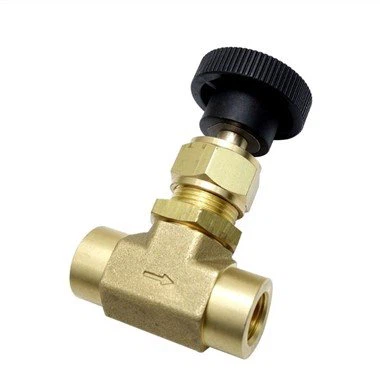
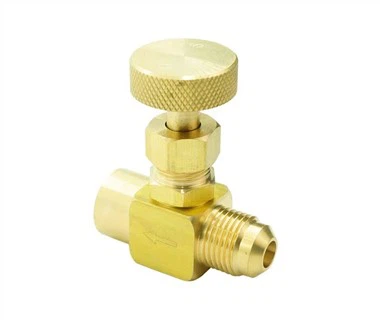


What is Brass Needle Valve?


Brass Needle Valves are a kind of valve which consists of a small port as well as a threaded, needle shaped plunger. The 1/2 Npt Brass Needle Valve permits precise regulation of flow. Albeit the 3/8 Npt Brass Needle Valve is per usual only capable of relatively low pressure flow rates.


It is possible to easily adjust the flow rate to any specific amount desired, making the needle valve useful in a number of applications. all brass needle valves have metal-to-metal seats with fine thread screwdown making them ideal for situations in which the desired flow must be maintained with little to no variance. By controlling the needle valve rate, stress on the delivery system is kept to a minimum.

Benefits of Brass Needle Valve
 

Excellent Flow Control

The fine-tapered needle allows for precise control over the flow rate of liquids or gases. This level of control is essential in applications where accuracy is paramount.

Durability and Corrosion Resistance

Brass, known for its high strength and corrosion resistance, makes it an ideal material for needle valves. Brass needle valves can withstand harsh environments and remain reliable over extended periods.

High-Temperature Resistance

Brass needle valves can handle elevated temperatures without compromising performance. This feature makes them suitable for applications where heat resistance is critical.

Superior Product Quality

Produces brass needle valves using high-quality raw materials sourced from trusted suppliers. Each valve undergoes rigorous quality control measures to ensure it meets international standards and performs flawlessly in demanding environments.

 
Type of Brass Needle Valve
 
01/

Gate Valve
It is a valve that opens by moving a gate or barrier out of the way of the fluid. Sometimes this valve is also known as a sluice valve. It works by the disc (single disc or double disc) rotating back and forth in its body. It serves as a shut-off mechanism. Shutoff in double disc valves is good.

02/

Solenoid Valve
There are different types of solenoid valves depending on the type and characteristics of the electric current, the strength of the magnetic field, and the mechanism used to regulate the fluid.
This valve has two ports that can be used to control a flow and three or more ports that can be used to switch flows between ports. Solenoid valves are the most commonly used mechanisms for control in fluidics. They are employed to turn off, release, dose, distribute, or mix fluids.

03/

Check Valve
It is also referred to as a one-way valve or a foot valve. It is a valve that typically only allows liquid or gas to flow in one direction through it.
These valves are made of Inconel sheets because they are robust and chemically resistant, making them perfect for use in many global industries.

04/

Pinch Valve
Pinch valves are full-bore or fully ported control valves that block fluid flow by creating a pinching effect. This valve can be employed for throttling and on-off operations.
The pinch valve is inexpensive to install, has little pressure loss, and requires little initial cost. It is appropriate for use when handling solid materials, slurries, and liquids.

05/

Diaphragm Valve
Basically, diaphragm valves are composed of a valve body with two or more ports: a flexible diaphragm, and a seat or weir where the diaphragm closes. Depending on the intended use, the valve body may be made of plastic, metal, wood, or another material.

06/

Butterfly Valve
The controlling component of a butterfly valve is a disc known as a blade, vane, or flapper. This disc rotates in either a horizontal or vertical direction and permits the flow of fluid. These types of valves can be used for on/off operation or throttling at low-pressure drops.

Brass Needle Valve Materials


Needle valves, like many other types of valves, are manufactured using various materials to suit different applications and environmental conditions. The choice of material for a needle valve depends on factors such as the type of fluid being controlled, pressure and temperature requirements, corrosion resistance, and other specific needs.


Stainless Steel

Stainless steel is a popular choice for needle valve construction due to its excellent corrosion resistance and durability. It is suitable for a wide range of fluids, including corrosive ones. Types of stainless steel commonly used include 316 stainless steel for general applications and 316L stainless steel for low-carbon options.


Monel

Monel is a nickel-copper alloy known for its resistance to corrosion, particularly in marine and chemical environments. Monel needle valves are ideal for handling seawater, acids, and other corrosive substances.

Alloy Steel

Alloy steel needle valves are suitable for high-temperature and high-pressure applications. They offer good strength and toughness, making them a choice for steam, superheated water, and other demanding services.

Hastelloy

Hastelloy alloys, such as Hastelloy C276 and Hastelloy B2, are highly resistant to corrosion and are often used in extremely corrosive environments, including chemical processing and offshore industries.

Plastics

For applications where corrosion resistance is essential, plastic needle valves made from materials like PVC, CPVC, or PTFE (Teflon) can be used. These are suitable for handling various chemicals and acids.

Titanium

Titanium needle valves offer excellent corrosion resistance, especially in environments with high chloride concentrations or seawater. They are lightweight and have a high strength-to-weight ratio, making them useful in aerospace and marine applications.

Carbon Steel

Carbon steel needle valves are a cost-effective option for non-corrosive applications. They are commonly used for controlling the flow of oil, gases, and other non-corrosive fluids.

Ceramic

Ceramic needle valves are utilized in specialized applications where extreme resistance to corrosion and wear is necessary. They are often used in semiconductor manufacturing and certain chemical processes.

Bronze

Bronze needle valves are used in applications where corrosion resistance is important, such as in marine environments. They are also suitable for certain oil and gas applications.

 
Applications/Uses of Brass Needle Valves
 

Building and Construction

Scaffolding and other support structures requires variety Brass Needle Valves to safeguard and guarantee the stability of structure during construction.


Chemical Refining

In chemical refineries, Brass Needle Valves are made using corrosion resistant high performance materials, such as Brass, tool alloys, and exotic metals and find use in machineries such as heat exchangers, chemical tanks, and processing systems.


Marine

Brass Needle Valves installed in the marine industry necessitate excellent corrosion resistance to withstand the extended periods of exposure to saltwater that marine ramps, marine decks, bulkheads, and tanks experience.


Automobile And Transportation

Brass Needle Valves are used to assemble a wide range of vehicles, including commercial vehicles like trucks, passenger vehicles like cars, airplanes, and specialized automobile equipment.


Power Generation

Distinctive applications include use in exhaust systems, electrical equipment, motors and pumps, and storage containers. These Brass Needle Valves for the power generation industry are made of corrosion resistant and high strength materials such as Brass, aluminium, copper, nickel alloys, and other steel alloys.


Agriculture

In the agricultural industry, these Fittings are used in field irrigation and filtration systems, and other farming equipment, drying units, buildings, and grain bins.


What Is The Working Principle Of Brass Needle Valves?


brass gas needle valve

Needle valves can be operated automatically or manually. The disc of manually actuated needle valves is opened and closed using a handwheel. When the handle is rotated clockwise, the plunger raises, and fluid passes via the valve. When the handle is rotated counter-clockwise, the plunger approaches the seat. It reduces the flow rate and obstructs the fluid flow.


The valves can be opened and closed automatically by connecting automated needle valves to a hydraulic motor or an air actuator. The timer or external data collected during monitoring will assist the motor or actuator in adjusting the plunger’s position.


Needle valves, whether operated manually or automatically, offer accurate regulation of fluid flow rate. Due to the precise threading of the handwheel, adjusting the plunger position from the saddle needs several rotations. So, the needle valve can assist in regulating the system’s flow rate.

How to Choose the Right Brass Needle Valve for Your Application


Material Composition
The particular application determines the material of the needle valve enclosure. Brass and stainless steel are the most used materials for valve housings due to their broad spectrum of chemical resistance. However, alternative materials are also available for specific applications.

Brass
Brass needle valves are viable for gas piping, hydraulic systems, and high-temperature applications. They are optimal for use with noncorrosive and media, with potable water applications being the most prevalent. But, saltwater (seawater), distilled water, acids, or chlorides should not be transferred to them.

Steel stainless steel
Stainless steel needle valves are exceptional in their chemical resistance to any medium. The substance is resilient and resistant to elevated temperatures and pressures. Seawater and other corrosive media are acceptable if the stainless steel is not exposed to salt water.

Plastic
Pure and corrosive fluids are adjusted using plastic needle valves. PVC is employed in applications below 60 degrees Celsius. It cannot withstand elevated temperatures or pressures.


Pressure
When selecting the brass needle valve, always comprehend the pressure application specifications. At 100° Fahrenheit (38°Celcius), robust needle valves can withstand pressures of 4,000 to 5,000 psi (275 to 413 bar). High-performance valves withstand up to 10,000 psi (689 bar) pressures at 100°F (38°C). These valves are accessible for high-pressure hydraulic applications because higher pressures are necessary. The vacuum needle configuration is resistant to low pressure.


Port And Orifice Size
The port and orifice of needle valves are diverse. The end connection ports may be male or female. Thread standards employed are NPT (National Pipe Thread), BSP (British Standard Pipe), and metric (ISO standards). The most common range for needle valves is 2 to 12 mm (1/8″ to 2″). Ensured port and orifice size promoted efficient flow and system operation with less potential for erosion and leakage.


Temperature
Needle valves are appropriate for applications involving high or low temperatures. Specify the packing/sealing material and valve housing accordingly. However, for extreme temperatures, you must ensure they can withstand the specifications. For a temperature range of -65°F to 450°F (-54°C to 232°C), the two most prevalent sealing materials are PTFE (Teflon) and PEEK (Polyether Ether Ketone) are used. These provide enhanced resistance to temperatures up to 600°F (315 °C).

 
Our Factory

Wenzhou Huancheng Pipeline Valve Co., Ltd (Huancheng) founded in1996,China .Huancheng is devoted to being a world-class supplier for submit to international markets all types of valves in an extensive wide range of material, sizes and pressure classes for various industry sectors like Petrochemical, Oil and Gas, Petroleum refinery,Metallurgy, Energy, Water and Sewage lines, Food, Pharmacy, electric appliance,car, Power station and Ship building

productcate-1-1
productcate-800-595
productcate-800-595
productcate-800-595
FAQ

Q: What is a Brass Needle Valve?

A: A brass needle valve is a type of valve that uses a tapered stem (needle) to regulate the flow of fluids or gases. The needle-like stem provides precise control over flow rates when the valve is in the partially open position.

Q: What are Brass Needle Valves Made Of?

A: Brass needle valves are primarily made of brass, a metal alloy composed of copper and zinc. The brass construction offers good corrosion resistance and durability, especially in environments with non-corrosive media.

Q: What are the Advantages of Using Brass Needle Valves?

A: They offer precise flow control, have a durable construction, and are suitable for a wide range of applications due to their corrosion-resistant properties. They are also relatively easy to operate and maintain.

Q: Where are Brass Needle Valves Typically Used?

A: These valves are commonly used in applications requiring precise flow control, such as in hydraulic systems, air conditioning, plumbing, and industrial process control systems. They are also used in automotive, marine, and HVAC applications.

Q: How Do Brass Needle Valves Work?

A: The needle valve operates by turning a handle that moves the needle stem up or down. The tapered stem seals against the valve seat, and as the stem is raised, a small orifice is created allowing fluid to pass through. The size of this orifice is directly proportional to the stem movement, allowing for fine control over flow.

Q: What is the Pressure Rating of a Brass Needle Valve?

A: The pressure rating can vary, but brass needle valves are typically rated for high pressure, up to several thousand PSI (pounds per square inch), depending on the specific design and size of the valve.

Q: What is the Temperature Range for Brass Needle Valves?

A: Brass needle valves can typically operate in a temperature range from about -20°C to +150°C (-4°F to +302°F), but this can vary depending on the specific valve and the materials used for the seals and other components.

Q: How Do You Maintain a Brass Needle Valve?

A: Regularly clean the valve and lubricate moving parts to ensure smooth operation. Check for leaks and replace seals or washers as necessary. Ensure that the valve is not subjected to extreme conditions that could damage the brass or other components.

Q: Can Brass Needle Valves Be Used with Aggressive Media?

A: Brass is not recommended for use with highly corrosive or aggressive media, such as strong acids or alkalis. For such applications, valves made from more resistant materials like stainless steel or plastic might be more appropriate.

Q: Are Brass Needle Valves Suitable for High-Vibration Environments?

A: While brass needle valves can withstand some vibration, excessive vibration can cause wear and potentially affect the valve's performance. In high-vibration environments, additional support or the use of vibration-resistant materials may be necessary.

Q: How Do You Size a Brass Needle Valve?

A: Sizing a needle valve involves determining the required flow rate and pressure drop across the valve. This information can be used to select a valve with the appropriate orifice size and pressure rating.

Q: Can Brass Needle Valves Be Repaired?

A: Yes, needle valves can often be repaired by replacing worn or damaged parts. However, if the valve body is damaged, it may need to be replaced.

Q: What are the Common Issues with Brass Needle Valves?

A: Common issues include leaks around the stem or seat, stem wear, and internal corrosion. Regular maintenance can help prevent these issues.

Q: What is the Difference Between a Brass Needle Valve and a Ball Valve?

A: A ball valve uses a ball with a hole through it to control flow, offering quick on-off action but less precise flow control. A needle valve, on the other hand, is designed for precise flow control and is typically used in applications requiring fine adjustment.

Q: Can Brass Needle Valves Be Automated?

A: Yes, they can be automated by attaching an actuator, which can be electric, pneumatic, or hydraulic, allowing for remote operation and integration into automated systems.

Q: What is the Life Expectancy of a Brass Needle Valve?

A: The life expectancy can vary widely depending on the application, maintenance, and quality of the valve. With proper care and use, a brass needle valve can last for many years without significant issues.

Q: What is the purpose of a needle valve?

A: Needle valves are commonly used to control flow and protect delicate gauges from damage caused by sudden pressure surges of liquids and gases. They're ideal for systems using lighter and less viscous materials with low flow rates.

Q: What is the difference between a needle valve and a control valve?

A: The 'Needle Valve' controls flow in both directions, whereas the 'Flow Control' valve controls flow in one direction and provides full-flow in the reverse direction. Both are typically used in flow meter applications, primarily when a consistent, calibrated, low flow rate must be maintained.

We're professional brass needle valve manufacturers and suppliers in China, specialized in providing high quality products with low price. We warmly welcome you to wholesale brass needle valve in stock here from our factory. For customized service, contact us now.

hydraulic valve, equal pipe tees, ball valve

(0/10)

clearall