

How to remove air from a pump?
Nov 14, 2025
Hey there! As a pump supplier, I've seen my fair share of issues with pumps, and one common problem that many users face is getting air out of a pump. Air in a pump can cause all sorts of headaches, like reduced efficiency, noisy operation, and even damage to the pump over time. In this blog post, I'm gonna share some tips on how to remove air from a pump, so you can keep your equipment running smoothly.
Why is Air in a Pump a Problem?
Before we dive into the solutions, let's talk about why air in a pump is such a big deal. When air gets into a pump, it can create pockets of gas that disrupt the flow of fluid. This can lead to cavitation, which is when the pressure in the pump drops so low that the fluid vaporizes, forming bubbles. These bubbles then collapse, creating shockwaves that can damage the pump's impeller, casing, and other components.
In addition to cavitation, air in a pump can also cause the pump to lose prime. Prime is the ability of a pump to create a vacuum and draw fluid into the pump. If there's air in the pump, it can prevent the pump from creating a proper vacuum, which means it won't be able to draw fluid in and may stop working altogether.
How to Remove Air from a Pump
Now that we know why air in a pump is a problem, let's talk about how to get rid of it. Here are some steps you can take to remove air from a pump:
1. Check the Pump and Piping for Leaks
One of the most common causes of air in a pump is a leak in the pump or piping. If there's a leak, air can enter the system and cause problems. To check for leaks, inspect the pump and piping for any signs of damage, such as cracks, holes, or loose connections. If you find a leak, repair it as soon as possible.
2. Prime the Pump
Priming the pump is the process of filling the pump and suction line with fluid to remove any air. To prime the pump, follow these steps:
- Close the discharge valve.
- Open the priming port or valve on the pump.
- Fill the pump and suction line with fluid until it overflows from the priming port or valve.
- Close the priming port or valve.
- Open the discharge valve.
- Start the pump and let it run for a few minutes to remove any remaining air.
3. Use a Vent Valve
Some pumps are equipped with a vent valve, which can be used to release air from the pump. To use a vent valve, follow these steps:
- Start the pump and let it run for a few minutes to build up pressure.
- Open the vent valve slowly to release any air from the pump.
- Once the air has been released, close the vent valve.
4. Use a Vacuum Pump
If the pump is difficult to prime or if there's a lot of air in the system, you may need to use a vacuum pump to remove the air. A vacuum pump can create a vacuum in the pump and suction line, which will help to draw fluid in and remove any air. To use a vacuum pump, follow these steps:

- Connect the vacuum pump to the pump's suction line.
- Start the vacuum pump and let it run for a few minutes to create a vacuum in the pump and suction line.
- Once the vacuum has been created, close the valve on the vacuum pump.
- Start the pump and let it run for a few minutes to remove any remaining air.
5. Check the Fluid Level
If the fluid level in the pump or suction line is too low, it can cause air to enter the system. To check the fluid level, look at the sight glass or gauge on the pump or suction line. If the fluid level is too low, add more fluid to the system.
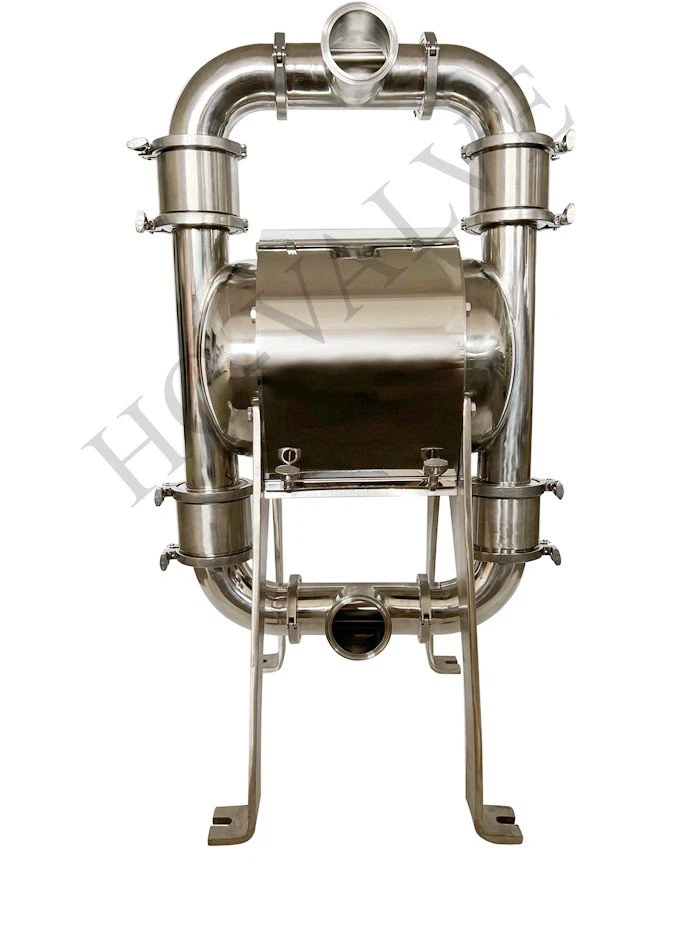
6. Use a Air Operated Double Diaphragm Pump
An Air Operated Double Diaphragm Pump is a type of pump that uses compressed air to operate. These pumps are self-priming and can handle air and fluid mixtures, which makes them a good choice for applications where air in the system is a problem. If you're having trouble removing air from your pump, consider using an Air Operated Double Diaphragm Pump.
Tips for Preventing Air in a Pump
In addition to removing air from a pump, it's also important to take steps to prevent air from entering the system in the first place. Here are some tips for preventing air in a pump:
- Install a check valve on the suction line to prevent air from entering the system when the pump is not running.
- Use a properly sized pump for the application to ensure that it can handle the flow rate and pressure requirements.
- Keep the pump and piping clean and free of debris to prevent clogs and blockages.
- Follow the manufacturer's instructions for operating and maintaining the pump.
Conclusion
Removing air from a pump is an important part of maintaining the pump's performance and preventing damage. By following the steps outlined in this blog post, you can remove air from your pump and keep it running smoothly. If you have any questions or need further assistance, don't hesitate to contact us. We're a pump supplier, and we're here to help you find the right pump for your application and keep it running properly. Whether you're looking for an Air Operated Double Diaphragm Pump, a TS Cast Steel Pump, or a Pneumatic Diaphragm pump, we've got you covered. So if you're in the market for a new pump or need help with your existing pump, give us a call or send us an email. We'd love to hear from you!
References
- "Pump Handbook" by Igor J. Karassik, Joseph P. Messina, Paul Cooper, and Charles C. Heald
- "Centrifugal Pumps: Design and Application" by Heinz P. Bloch and Fred K. Geitner
- "Pump Systems Matter: A Guide to Improved Performance" by the Hydraulic Institute